Premium solutions engineered for cosmetic brands, commercial distributors, and industrial coating sectors.
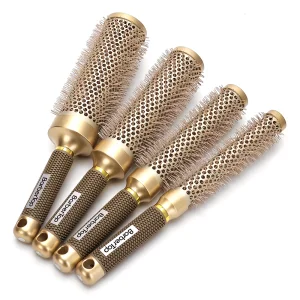
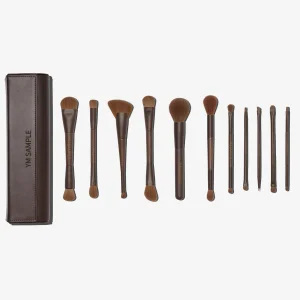
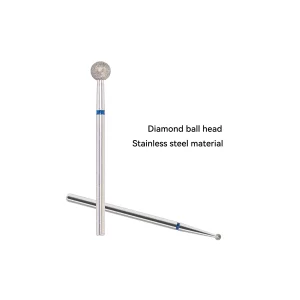
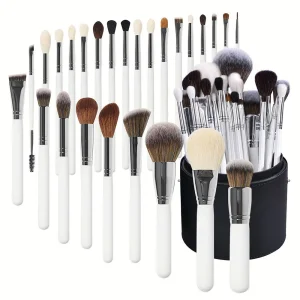
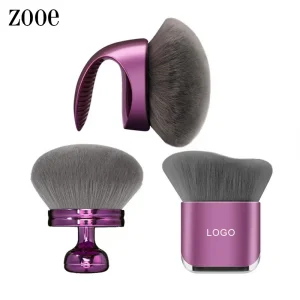
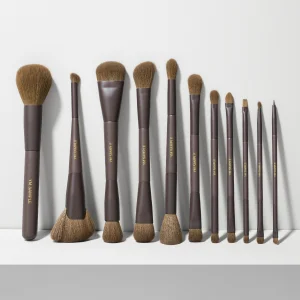
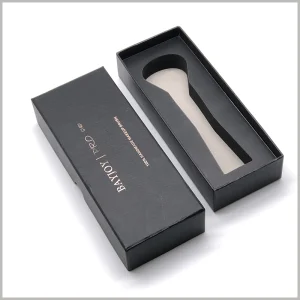
The beauty and personal care industry is undergoing a paradigm shift where the applicator is no longer viewed as an afterthought, but as an essential element of the formulation delivery system. From high-end private label vegan brushes to industrial-scale application rollers, the global market demands extreme precision, sustainable manufacturing practices, and structural performance. In the cosmetics sector, optimal makeup applicators act as the physical interface between the consumer's skin and the complex chemical structures of foundations, powders, and creams.
Currently, the manufacturing landscape for premium applicators is concentrated in high-technology zones that integrate localized supply chains for raw synthetic fibers, precision aluminum extrusion, wood/resin-molding, and advanced automated packaging. High-volume manufacturers must balance the pressures of competitive pricing with the stringent regulatory compliance standards set forth by the FDA (Food and Drug Administration) in North America and REACH (Registration, Evaluation, Authorisation and Restriction of Chemicals) in the European Union.
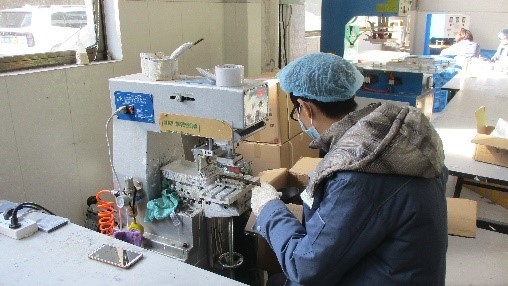
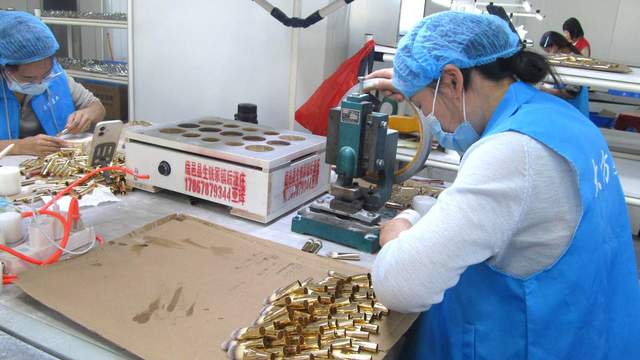
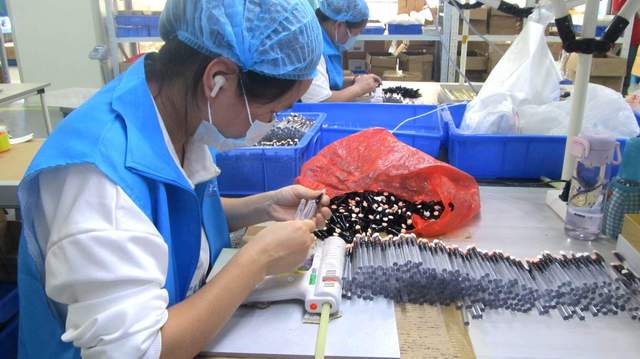
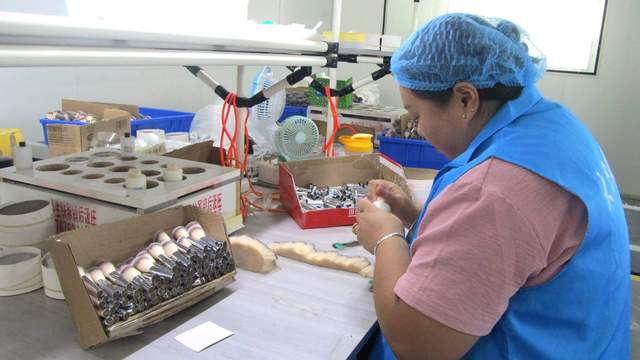
At the heart of this global supply chain is Guangzhou Exio Beauty Co., Ltd., founded in 2012. Operating from a state-of-the-art 8,000 square meter industrial facility in Guangzhou, China, the enterprise employs over 180 highly skilled workers, including dedicated QA technicians, design engineers, and assembly specialists. The company has structured its operations to support intensive OEM and ODM services, catering to prestigious brands, global cosmetics retail chains, and emerging direct-to-consumer (D2C) brands. By leveraging advanced brush assembly machinery, computerized hair filling techniques, and rigorous multi-stage quality control protocols, Exio Beauty ensures that every brush, spatula, or packaging component meets precise tolerances.


Traditional animal hair fibers (sable, goat, squirrel) are rapidly being phased out due to ethical considerations and performance inconsistencies. Next-generation vegan filaments, manufactured through extruded thermoplastic resins like PBT (Polybutylene Terephthalate), now mimic the cuticular structure of natural hair, facilitating equal liquid absorption and product release.
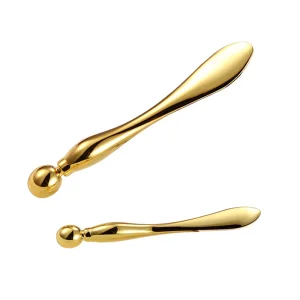
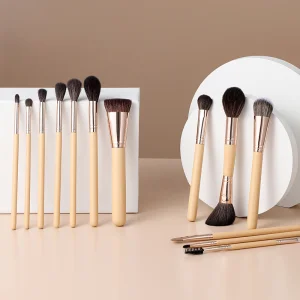
Modern consumers prioritize portability and speed. Double-ended travel brush configurations, hybrid cosmetic spatulas with integrated massage rollers, and ergonomic geometric handles ensure precise application without causing hand fatigue. This integration offers a dual benefit: optimized formulation efficacy and superior user comfort.
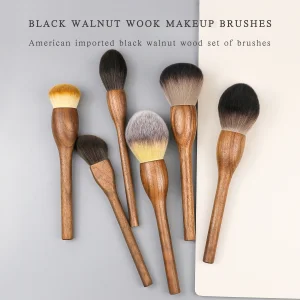
From handles carved out of renewable walnut wood to structural components utilizing post-consumer recycled (PCR) plastics or biodegradable agricultural waste like wheat straw, manufacturers are restructuring their supply lines to minimize carbon footprints and align with global green directives.
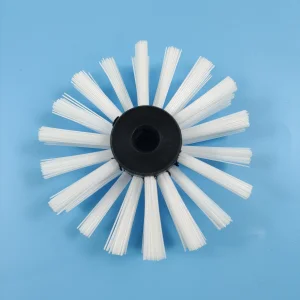
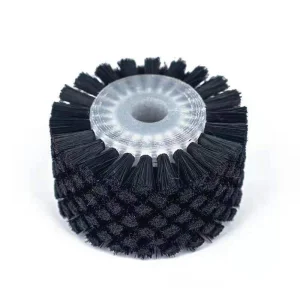
The technical competency of high-quality brush manufacturers is not limited to cosmetics. The exact same mechanical manufacturing precision required to build vegan luxury powder brushes is applied to heavy-duty coating sectors. High-performance industrial brushes (such as premium synthetic fiber picote pipe coating brushes) are utilized for sewer pipe cleaning, epoxy spraying, and chemical pipe lining. In these settings, chemical resistance (against solvents, polyurethanes, and acrylic resins) and high tensile strength of the bristles are paramount. Thus, factories with advanced material extrusion capabilities can easily cross-market their technology into industrial engineering applications.
For brand managers and corporate buyers seeking to secure a resilient supply chain, understanding the technological trajectory of applicator production is crucial. Over the next five years, automation and material innovation will dictate which factories maintain their competitive advantage.
Deposition of microscopic antimicrobial agents onto synthetic PBT fibers. This eliminates bacterial proliferation on wet applicator surfaces without irritating sensitive skin types.
Implementing real-time sensor feedback to adjust molten thermoplastic viscosity when producing complex ergonomic handles. This eliminates molding flash, structurally strengthens the ferrule joint, and minimizes material waste.
Deploying optical sorting systems powered by machine learning algorithms to verify hair length, density, and placement before automated gluing, achieving failure rates of under 0.05%.
Consumer preferences vary wildly across geographic boundaries. Western markets (North America and Europe) heavily emphasize certified vegan, FSC-approved wood handles, and zero-plastic retail packaging. In contrast, the East Asian cosmetics landscape focuses on tactile precision, highly specialized skin-massage applications, and ultra-miniaturized form factors for travel. A world-class manufacturer like Guangzhou Exio Beauty Co., Ltd. resolves these disparate needs by structuring dedicated production blocks within their facility, ensuring that local regulatory requirements and regional consumer insights are designed directly into the customized products.

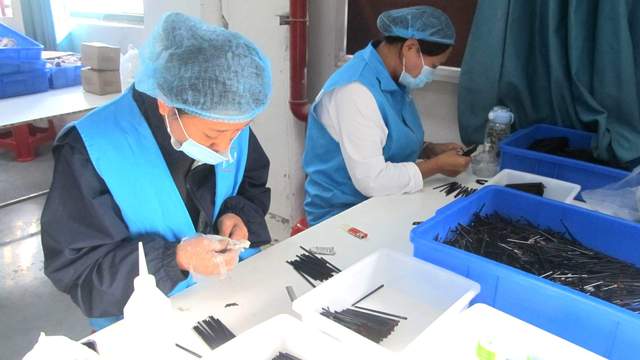
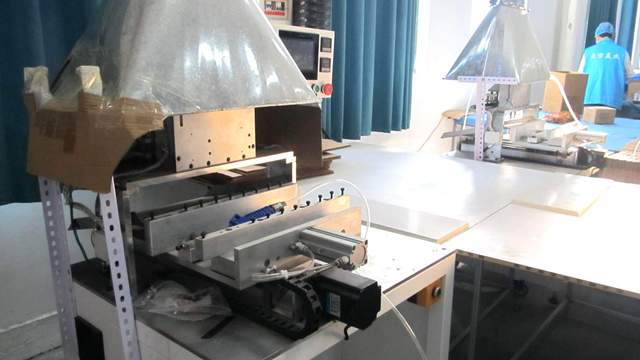
Managing procurement cycles, preventing warehouse stock-outs, and ensuring consistent raw material quality are critical pain points for sourcing managers. Exio Beauty implements a holistic supply chain management strategy to mitigate risk and reduce the Total Cost of Ownership (TCO):
Explore our selection of commercial tools, advanced machinery, and sustainable personal care systems.
Comprehensive answers to frequent inquiries from procurement departments and beauty brand strategists.
An optimal applicator is defined by three major characteristics: fiber retention capability (zero shedding under standard pull tension), ergonomic weight distribution (balanced handle-to-ferrule ratio), and chemical inertia (non-reactive materials that do not degrade or discolor when exposed to cosmetic bases, solvents, or clean room disinfectants).
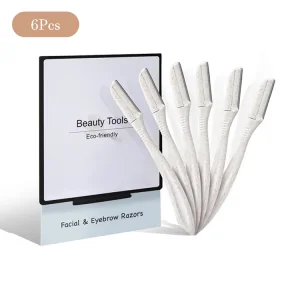
Exio Beauty actively sources FSC-certified wood handles, utilizes biodegradable materials (such as wheat straw constructs in dermaplaning and facial kits), and employs cruelty-free vegan synthetic fibers (PBT) that meet EU REACH and FDA requirements. Standardized raw materials tracking is verified during our multi-stage quality control checks.
MOQs vary based on the level of customization. For standard handles with laser-engraved logos, our MOQ is flexible to assist emerging brands. Fully custom-engineered brush shapes, custom alloy ferrules, or specialized packaging boxes usually require higher production runs to optimize machine setup times.
With our 8,000 square meter factory layout, advanced computerized tufting systems, and a stable workforce of over 180 specialists, we run double-shift patterns during peak season. Additionally, our warehouse retains structural reserves of raw polymer fibers and aluminum sheets to prevent materials-driven manufacturing halts.
 Exio Beauty