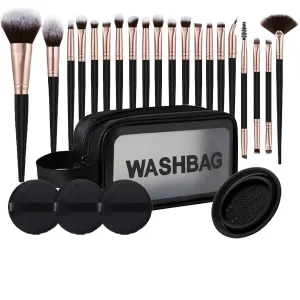
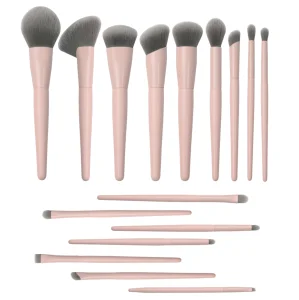
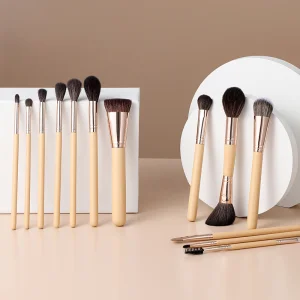
High-performance synthetic fibers, vacuum emulsion systems, and premium tooling engineered for professional cosmetic lines.
The global beauty ecosystem is undergoing a major transition. Today's consumers demand formulations that are clean, stable, and highly effective. As a result, the tools used to apply these products must also meet higher technical standards. What once were generic beauty utensils have now evolved into highly engineered "Aesthetic Cosmetic Accessories". These tools are designed to work seamlessly with modern skin science, optimizing how formulas are applied and absorbed by the skin.
For brands and sourcing executives, finding a high-quality manufacturing partner involves looking closely at their technical capabilities. True competency is demonstrated by a deep understanding of raw material science. This includes managing factors like synthetic fiber density, cross-sectional geometry, and ensuring chemical compatibility with dynamic skincare formulas. Guangzhou Exio Beauty Co., Ltd., founded in 2012, has been a key player in this evolution. The company operates a modern 8,000 square meter facility in Guangzhou, China, supported by over 180 skilled specialists, professional designers, and strict quality inspectors. This solid foundation allows Exio Beauty to provide the precise engineering and reliable supply chains that global brands need to succeed.
Sourcing aesthetic accessories from a specialized Chinese manufacturer provides access to an established industrial supply chain. This ecosystem integrates raw material processing (such as antibacterial vegan filaments and sustainably sourced wood), advanced metal stamping for copper and aluminum ferrules, and automated assembly. These integrated capabilities ensure consistent production, even for complex, high-volume orders.
Guangzhou remains a global hub for the beauty and cosmetics supply chain. By combining local access to high-grade materials with advanced manufacturing technology, manufacturers in this region can produce tools that meet strict international regulatory standards. Key advantages of this ecosystem include:
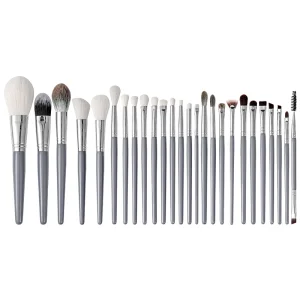
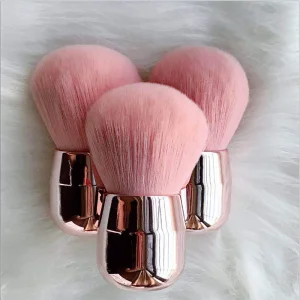
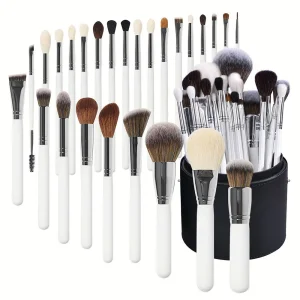
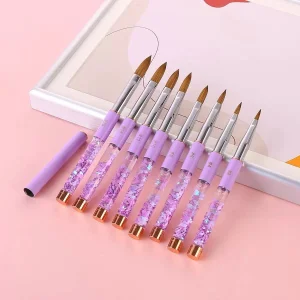
Modern cosmetic brushes require specialized fiber technology. Working with direct factories allows brands to develop custom synthetic fibers that mimic the structure of natural animal hair. This includes features like antibacterial properties, specific water absorption rates, and tailored stiffness to suit liquid, cream, or powder formulations.
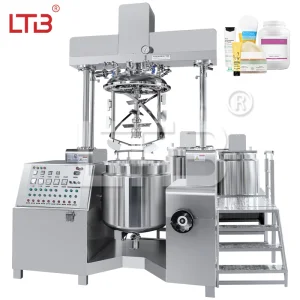
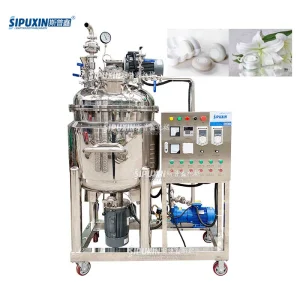
A major benefit of China’s cosmetic manufacturing hubs is the close integration of beauty tool assembly with chemical processing machinery. Advanced manufacturing relies on systems like vacuum homogenizing emulsifiers and twin-screw extruders. This equipment ensures that the cosmetics and the tools designed to apply them are developed in parallel, leading to better product performance and compatibility.
Leading exporters implement rigorous quality control systems. Every stage of production is monitored, from checking the tensile strength of brush fibers to measuring the chemical composition of Zamac alloy lids. This ensures final products comply with global safety standards, including FDA, REACH, and RoHS.
Direct Industry Insight: By working with a manufacturer that manages both basic components and advanced processing machinery (such as vacuum homogenizers), brands can ensure their product packaging, applicators, and formulations perform reliably under various environmental conditions.
The global beauty market is shifting rapidly toward sustainability and clean beauty. Sourcing departments at major beauty companies are focusing on three main areas to meet these demands:
Consumer preferences have shifted decisively toward vegan and cruelty-free products. This change has driven significant innovation in synthetic fibers. High-grade synthetic filaments can now match the performance of natural hair, such as goat or Kolinsky hair, by replicating their textured cuticles. These synthetic materials offer excellent product pick-up and payoff while being easier to clean and more resistant to shedding.
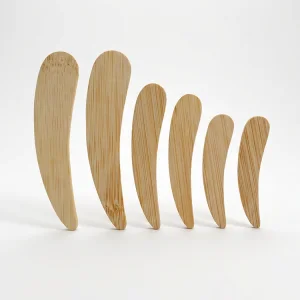
Reducing plastic waste is a priority for modern brands. Manufacturers are addressing this by using eco-friendly materials like bamboo, FSC-certified wood, and biodegradable wood-plastic composites (WPC) for brush handles, cosmetic spatulas, and outer packaging. Utilizing advanced twin-screw extruders allows factories to incorporate natural fibers like coffee grounds and wood powder into stable, recyclable packaging solutions.
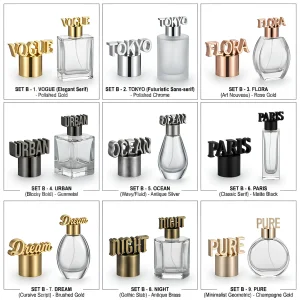
In high-end cosmetics and perfumery, weight and tactile feel play a significant role in consumer perception. Custom Zamac perfume caps and metallic alloy lids provide a premium weight and cold-touch feel that plastic caps cannot replicate. These metal components require precise die-casting, hand-polishing, and electroplating processes to meet the design standards of luxury fragrance brands.
Sourcing requirements vary depending on a brand's market position, product range, and regional regulations. Below are common procurement scenarios and how manufacturers address them:
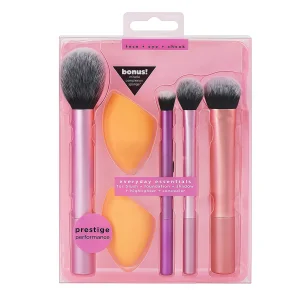
Brands launching online require pre-assembled, fully customized brush sets with custom-printed packaging. Manufacturers provide complete private-label services, including logo printing, custom handle shapes, and retail-ready packaging boxes to streamline launch timelines.
High-end fragrance brands require heavy, detailed metal closures. Factories use precision molds to cast Zamac caps with custom brand lettering, finished with high-durability electroplating to prevent corrosion from fragrance oils.
For cosmetic manufacturers, product quality depends on the machinery used. Guangzhou factories supply stainless steel vacuum homogenizing mixers and emulsifying equipment, ensuring creams and liquid foundations achieve a stable, uniform texture before packaging.
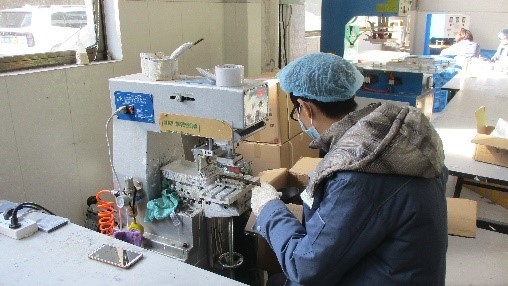
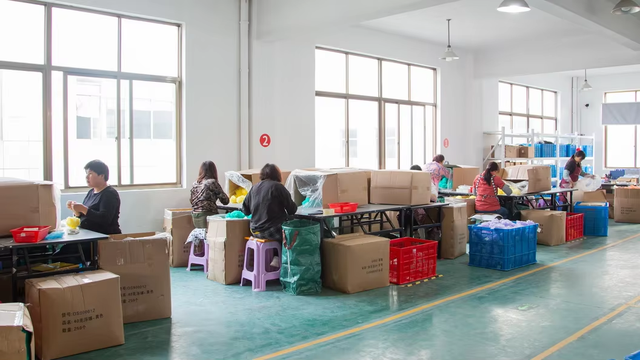
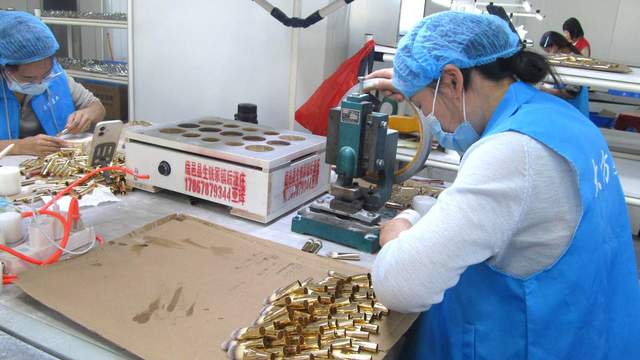
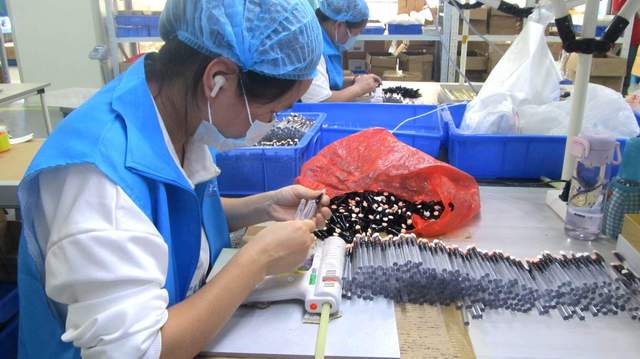
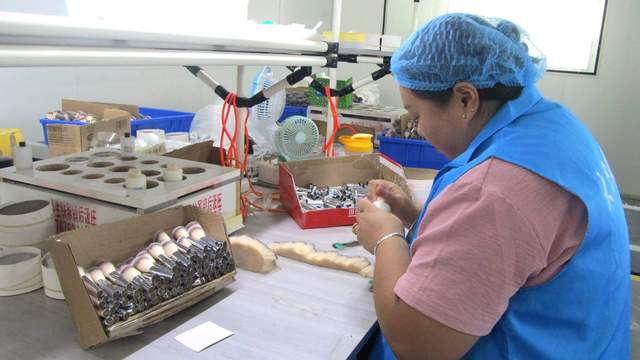
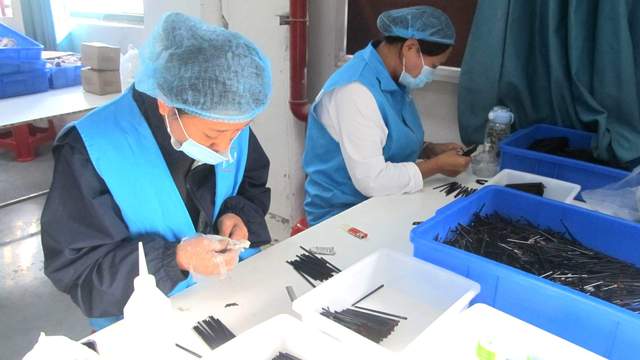
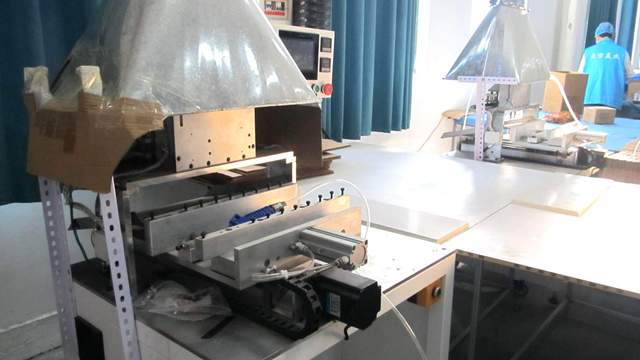
Inside Guangzhou Exio Beauty's manufacturing facilities, featuring automated brush assembly, metalworking shops, and QA laboratories.


Technical and logistical insights to help sourcing managers optimize their cosmetic accessory supply chains.
For standard customized orders, lead times range from 30 to 45 days. This includes initial raw material verification, component shaping (handles and ferrules), bristle tufting, logo printing, and final quality control checks. Custom molds for items like metal caps may require an additional 15 to 20 days for tooling setup.
We conduct simulated wear and exposure testing. Synthetic and natural fibers are exposed to various solvent bases, water-in-oil emulsions, and acidic formulas to ensure the filaments do not degrade, lose color, or shed during normal use.
All wood handles can be sourced with FSC certification to guarantee responsible forestry practices. Our synthetic fibers are vegan and cruelty-free, and all metal components, including Zamac caps and aluminum ferrules, comply with REACH and RoHS standards regarding heavy metals and chemical safety.
Yes, our production setup is flexible. We operate automated lines for high-volume orders to maintain efficiency and cost-effectiveness, alongside dedicated manual assembly lines for complex, low-MOQ premium designs that require hands-on finishing.
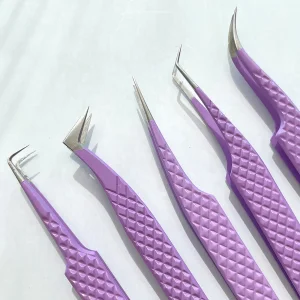
Custom beauty tools, specialized nail applicators, and high-capacity production machinery for global distribution.
 Exio Beauty