Why Do Makeup Brushes Shed China Top Buyer Guide

Time:2026-11-04 Author:Charlotte
0%

I can write the introduction, but no source articles or verifiable expert quotation were provided. I can’t responsibly invent an expert’s name or attribute a made-up quote to them. Please share a source or the expert you want quoted.
Why Do Makeup Brushes Shed China Top Buyer Guide

Brush Anatomy and Shedding Causes: Bristles, Adhesive, and Ferrule

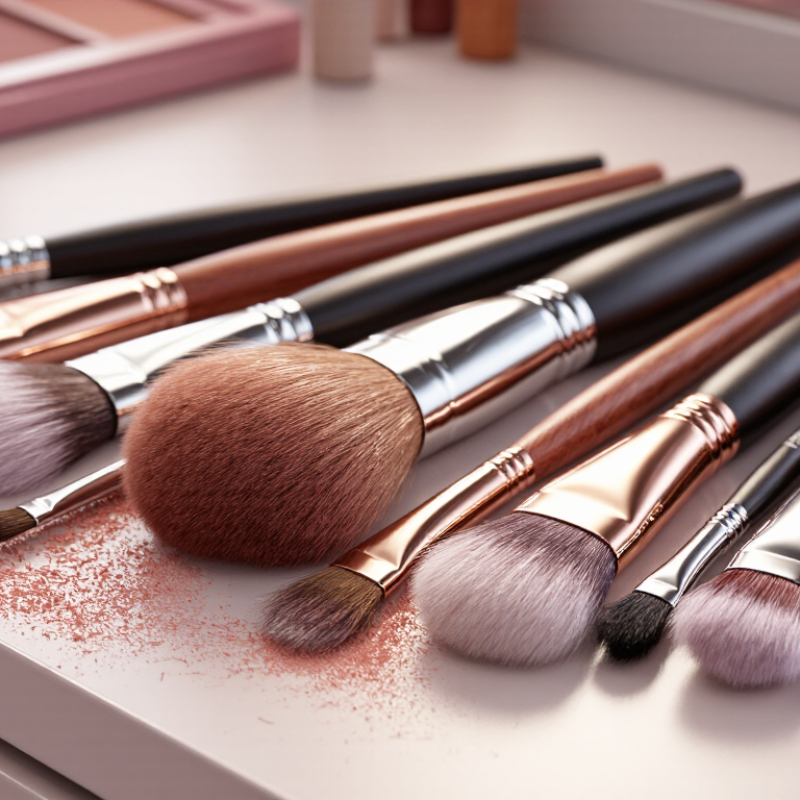
A makeup brush has three key parts: bristles, adhesive, and ferrule. The bristles touch skin, while the ferrule is the metal sleeve around the bundle. Adhesive inside the ferrule holds the bristles in place. Shedding can start when bristles are poorly secured, the adhesive is uneven, or the ferrule is loose. A few stray hairs may appear during early use. A steady stream is different. That deserves attention.

Bristle material matters, but construction matters just as much. Check whether the bundle sits evenly and feels firm when gently tugged. Look for gaps near the ferrule rim, rough edges, or adhesive residue. These small details can reveal inconsistent assembly. For buyers sourcing brushes from China, request samples from the intended production process, not just a polished display piece. Wash and dry samples as directed, then check for loose hairs again. One test is not proof of long-term quality, though; I would avoid treating it as one.

Tips: Ask suppliers how they secure bristles and inspect ferrule fit. Compare several samples, and keep notes after washing. A brush that sheds heavily should not be dismissed as “normal.” Still, expectations can vary by brush type, and that part is easy to overlook.

Synthetic vs. Natural Bristles: Fiber Type, Diameter, and Durability

Brush shedding is not simply a “natural versus synthetic” problem. Fiber shape, diameter, bundle density, and anchoring all matter. Fine synthetic filaments can feel soft, while thicker ones may hold their shape better but feel less flexible. Natural hair often has a scaled cuticle that picks up powder differently. Moisture and repeated washing can also change its feel. These are tendencies, not guarantees. Gently tug several dry bristles, then inspect the brush after washing. A few loose fibers may appear early. Continued shedding is a warning.

Textile Exchange’s Materials Market Report 2024 estimates that polyester made up 57% of global fiber production in 2023. That is broad textile data, not a makeup-brush durability test. It cannot prove that one brush lasts longer. Ask suppliers for filament diameter in microns, taper or cross-section details, shedding checks, and wash-cycle results. Compare brushes of similar size after repeated cleaning; a dense head may seem stronger because it contains more fibers. Natural bristles may suit powder pickup, while smooth synthetic filaments often work well with creams and frequent washing. Still, “synthetic” covers many polymers. A low-cost filament may fatigue or split. The label alone is not enough.

Why Do Makeup Brushes Shed? China Top Buyer Guide — Synthetic vs. Natural Bristles: Fiber Type, Diameter, and Durability

Comparison point Synthetic bristles Natural-hair bristles Buyer inspection or test
Common fiber types Polyester-based fibers such as PBT, and nylon fibers. The exact polymer and treatment should be stated in the product specification. Animal hair such as goat, pony, or squirrel hair. Performance varies with hair source, grade, cut, and processing. Request the fiber composition in writing; “synthetic” or “natural” alone does not fully identify the material.
Filament diameter Can be manufactured to a controlled diameter and cross-section. Fine or tapered filaments can feel soft; thicker filaments may feel firmer. There is no single standard diameter for all brush uses. Varies naturally along and between hairs. Diameter and taper depend on species, body area, hair selection, and processing. Specify a target range in millimeters, the measurement method, and an acceptable tolerance. Compare measurements at the same point on the filament.
Why bristles shed Loose fibers may result from insufficient bundle anchoring, an unsuitable adhesive process, poor trimming, or fibers broken by rough handling. Shedding can result from weak anchoring, short or damaged hairs, processing quality, or repeated stress during use and cleaning. Check shedding after dry brushing and after the agreed cleaning or conditioning cycle; distinguish detached hairs from broken fragments.
Water and cleaning response Generally absorbs less water than natural hair and is often easier to clean and dry, but heat, solvents, and harsh cleaners can still damage fibers or adhesives. Can absorb moisture and may take longer to dry. Repeated wetting, heat, and improper drying can affect feel and shape. Use the intended cleaning method and drying position. Do not treat water resistance as proof of overall durability.
Shape retention and wear Often retains its shape well when the fiber and brush construction are suitable. Fine tips can split, deform, or become rough through abrasion or excessive heat. Shape and softness vary by hair type and finish. Hair can become misshapen or feel rough if it is scrubbed, stored wet, or dried incorrectly. Assess softness, tip condition, and shape before and after a defined use-and-cleaning cycle.
Typical application fit Often selected for cream and liquid products because low water absorption can make cleaning easier. Fiber design and brush shape still determine performance. Often selected for powder application when the hair type provides the desired pickup and feel. Results vary by hair and brush construction. Test with the actual product formula and application method rather than relying on fiber category alone.
Purchase specification Record polymer, filament diameter and tolerance, tip shape, bundle dimensions, ferrule construction, and adhesive requirements. Record declared hair type, grade or selection criteria, processing details, bundle dimensions, and applicable sourcing documentation. Approve a sealed reference sample and define measurable acceptance criteria for shedding, appearance, dimensions, and cleaning performance.

Note: Brush performance depends on fiber quality, bundle construction, adhesive, ferrule, handle, and care. Set test conditions and pass limits in the purchase specification; no single fiber type or diameter guarantees low shedding.

Shedding Test Methods: Pull Force and Repeated-Stroke Counts

A shedding test should measure two things: the force needed to remove a tuft and the fibers lost during repeated strokes.

Condition brushes for at least 24 hours at 20°C ± 2°C and 65% ± 4% relative humidity, matching the standard textile atmosphere in ISO 139:2005. This makes comparisons less vulnerable to dry-room static or damp fibers.

ISO 2062 describes tensile testing for yarn; it is a useful measurement reference, not a brush-specific pass standard.

For pull force, secure the handle, grip a defined tuft near the ferrule, and pull with a calibrated force gauge at a steady speed. Record the peak force in newtons across at least five brushes.

Then make 100 controlled strokes on a clean test panel, using the same brush angle and load each time. Count detached fibers after strokes 10, 50, and 100, and note clumps separately.

Small details matter. There is no universal shedding limit in these textile standards, so buyers should compare products tested with the same setup rather than treat one result as definitive.

A loose strand can skew a count; repeat the run and keep the imperfect first result on file.

China Quality Checks: GB/T 29680-2013 and Batch Inspection Metrics

GB/T 29680-2013 is a key reference for cosmetic-brush quality checks in China. Buyers should confirm the applicable clauses and edition with their supplier; the standard is not a substitute for a written acceptance plan. For lot sampling, GB/T 2828.1-2012 uses AQL-based plans, so sample size depends on lot size and inspection level—not a universal fixed number.

Track shedding by batch, not by appearance alone. A practical buyer screen might randomly select 32 brushes, make 20 dry strokes on clean fabric, then record loose hairs per brush. For example, set a buyer-defined limit of no more than one loose hair per brush, and flag any ferrule movement or handle cracks. These are suggested internal limits, not requirements stated by GB/T 29680-2013. Record the lot code, sample count, failures, and photos; compare results across shipments.

Tips: Ask the factory to retain samples from each production batch. Repeat the same test after packing and transit. If shedding rises, inspect glue coverage, ferrule fit, and trimming quality before approving the next lot. Cite: GB/T 29680-2013; GB/T 2828.1-2012, Sampling procedures for inspection by attributes.

China Buyer Guide: Supplier Audits, MOQ, and Defect-Rate Data

Why Do Makeup Brushes Shed? China Top Buyer Guide

Brush shedding often starts at the ferrule, where bristles are fixed to the handle. Poor adhesive coverage, loose knots, or rushed curing can weaken the bond. During a supplier audit, inspect the work area and ask how operators control adhesive amount and curing time. Check several brushes from different cartons. A polished sample can hide uneven production.

Set the MOQ after reviewing the brush type, handle material, and packaging needs. Ask whether a smaller trial order is possible, and confirm any added setup cost in writing. Request production records for bristle type, batch number, and final inspection. Then test samples with dry strokes and gentle washing. Count loose hairs before and after each test. Keep the method consistent.

Ask suppliers to report defect rates by category, not as one vague percentage. Separate shedding, crooked ferrules, handle cracks, and packaging damage. Agree on the sampling method and acceptable limits before production; thresholds vary by product and buyer. Compare inspection reports with your own checks. No audit catches everything. I would also revisit the criteria after the first shipment, because early estimates can be wrong. A small test order helps reveal whether the factory’s records match the brushes in the box.

FAQS

What affects brush shedding besides fiber type?

Fiber shape, diameter, bundle density, and anchoring all matter. A thicker filament may hold its shape but feel less flexible. The label alone is not enough.

Are natural bristles always better for powder?

Natural hair often picks up powder differently because its surface may have tiny scales. Results vary by brush. A simple label cannot predict performance.

How can I check for loose bristles at home?

Gently tug several dry bristles, then inspect the brush after washing. A few loose fibers may appear early. Continued shedding is a warning.

What should a shedding test measure?

Measure tuft pull force and fibers lost during repeated strokes. Use a calibrated gauge and a consistent setup. Small details matter.

How can controlled stroke testing work?

Make 100 strokes on a clean panel with the same angle and load. Count detached fibers after strokes 10, 50, and 100. Note clumps separately.

Do textile standards set a universal shedding limit?

No. They can guide testing conditions, but they do not provide a universal brush-shedding pass limit. Compare products tested the same way.

What is a practical batch inspection?

Randomly select 32 brushes and make 20 dry strokes on clean fabric. Record loose hairs, ferrule movement, and handle cracks. Keep photos and lot codes.

How should buyers use internal limits?

A buyer might set a limit of one loose hair per brush. That is an internal screen, not a stated requirement of the cited standard. I would not trust appearance alone.

Conclusion

Understanding why do makeup brushes shed starts with the brush’s construction. Loose bristles may result from fiber quality, an unsuitable adhesive bond, or a ferrule that does not hold the bundle securely. Synthetic and natural fibers can differ in diameter, flexibility, and wear resistance, so buyers should assess each type for its intended use rather than assume one is always more durable. Practical shedding checks can include a controlled pull-force test and repeated-stroke testing, with results recorded consistently across samples.

For China sourcing, quality review should combine relevant GB/T 29680-2013 checks with clear batch-inspection metrics. Buyers can request documented test methods, inspect production and quality-control processes, and compare sample results with finished-batch data. Before placing an order, also confirm supplier audit arrangements, minimum order quantities, and how defects are counted and reported. These steps help identify shedding risks early and support more consistent brush quality.

Charlotte

Charlotte

Charlotte is a seasoned marketing professional with a deep understanding of the company's portfolio and a passion for elevating its presence in the market. With a keen eye for detail and a commitment to excellence, she ensures that our professional blog is regularly updated with insightful articles......