When it comes to makeup, the tools we use can make a significant difference. Many beauty enthusiasts often wonder, "why are some makeup brushes so expensive?" The answer lies in various factors that contribute to their price.
Materials play a crucial role. High-end brushes often utilize premium hairs, like goat or sable, while budget options may use synthetic fibers. Additionally, craftsmanship matters. Skilled artisans take time to construct brushes, ensuring each is perfectly shaped and durable. This level of detail can result in a higher price.
Brand reputation can't be overlooked. Well-established brands invest in research and development. They create products that not only perform well but also last longer. However, it can sometimes lead to higher costs that don’t always correlate with quality.
In considering the value of expensive brushes, consumers must also reflect on their own needs and preferences. The market is flooded with choices, and sometimes a mid-range brush can perform just as well. Ultimately, understanding why some makeup brushes are expensive can help individuals make more informed decisions.
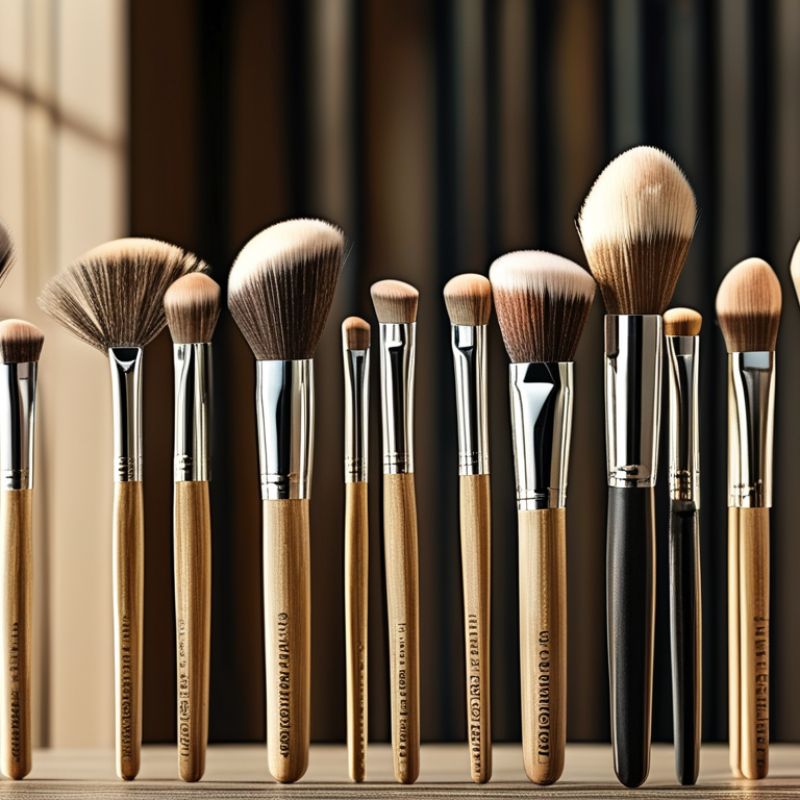
The cost of makeup brushes can vary significantly. Several factors influence this price. One major factor is the material used in the brush. High-quality brushes often feature natural bristles, which can be more expensive. These bristles offer superior application and blending. Synthetic fibers are less costly, but they may not provide the same results for all products.
Another aspect is craftsmanship. Handmade brushes tend to command higher prices. Artisans invest time and skill into creating each piece. This attention to detail affects the overall quality. Many consumers may realize that cheaper brushes can shed bristles or lose shape. Investing in higher-quality tools can prevent that frustration.
Brand reputation is also significant. Established brands often charge more, reflecting their history and customer trust. However, this does not always guarantee the best performance. Some lesser-known brands produce exceptional brushes at reasonable prices. Personal preference plays a crucial role in making the right choice. Choosing the right brush can be daunting, but it’s a rewarding experience with careful consideration.
When it comes to makeup brushes, the materials used significantly impact their price. High-end brushes often feature synthetic fibers or natural hair sourced from animals like sable or squirrel. These materials provide superior softness and blendability. They can hold more product and deliver seamless application. However, this quality comes at a cost, raising the price of these brushes.
In contrast, budget brushes typically use lower-quality synthetic materials. While they may perform adequately for beginners, they often lack the durability and finesse of their high-end counterparts. Users might find bristles that shed easily or handles that feel flimsy. This raises questions about their long-term value. As a makeup enthusiast, choosing the right brush becomes a personal journey, reflecting both skill level and desired results.
Each type of brush has its merits and downsides. Higher prices don't guarantee better performance for everyone. Experimentation is key. A beginner may not benefit from a pricey brush set but could find joy in affordable options. Always consider your needs and experience when selecting brushes. Quality should align with your application style and comfort.
The cost of makeup brushes varies widely, largely influenced by brand reputation. A well-known brand can charge significantly more for its brushes. This premium often stems from years of established trust and reliability. People associate these brands with high-quality materials and superior craftsmanship. As a result, many are willing to pay extra, believing they are investing in a tool that will enhance their makeup application.
However, it's essential to question this trend. Often, the price difference isn't justifiable by quality alone. Some less expensive brushes perform just as well as their high-end counterparts. There are instances where consumers feel let down after purchasing costly brushes. They expect exceptional performance but find it lacking. This dissonance highlights the importance of critical examination when shopping.
Brand reputation plays a significant role, but personal experience should take precedence. Exploring reviews and trying various brushes can lead to a more informed choice. Ultimately, consumers should prioritize their preferences over brand names. In doing so, they may find that a modestly priced brush meets their needs just as well.
When exploring the world of makeup brushes, craftsmanship plays a crucial role in their pricing. High-quality brushes undergo meticulous manufacturing processes. Artisans often handcraft each brush, ensuring attention to detail. This dedication to quality results in a superior product that enhances application and longevity.
Different materials contribute to the brush's feel and effectiveness. Natural hair fibers can offer a softer touch, while synthetic fibers provide durability and versatility. The type of wood or metal used for handles also affects cost. Some brushes are made from sustainable materials, which adds to their value. These elements combined elevate the experience for users, making them worth the investment.
Tips: Always choose brushes that feel comfortable in your hand. Test them before buying. Consider your makeup routine. Sometimes, a few high-quality brushes are better than a full set of lesser quality. This allows for better precision and blending. Investing in craftsmanship pays off in the long run.
The perception of value in makeup brushes is often shaped by their price. Many consumers believe that higher-priced brushes deliver superior results. A survey conducted by a beauty industry research group revealed that 73% of users associate price with quality. This perception can lead to a willingness to invest in expensive options, even when affordable brushes give similar results.
Tips to consider: When purchasing brushes, prioritize your needs. Identify which types you use most often. Expensive does not always guarantee better performance. Materials, craftsmanship, and brand reputation play significant roles.
However, it's important to reflect on this perception. Some high-end brushes may not significantly outperform their budget counterparts. A study from a beauty analytics firm found that 40% of users are satisfied with economy brushes. Quality control and packaging can also contribute to higher prices.
Tips to consider: Look for well-rated affordable brushes from reputable sources. Check reviews and ingredient lists, as they often provide valuable insights. Don't let price dictate your choices; personal experience matters most.
: High-end brushes often use synthetic fibers or natural hair from animals. These materials offer superior softness and blendability.
Budget brushes use lower-quality synthetic materials. They may not be as durable and can shed bristles easily.
Higher prices do not guarantee better performance for everyone. Experiment and find what suits your skill level.
Well-known brands charge more due to trust and reliability. However, quality may not always justify the higher price.
Consider your needs, experience, and comfort. Sometimes, affordable brushes meet your needs just as well.
Quality brushes undergo meticulous manufacturing processes. Handcrafted designs enhance application and longevity.
Explore reviews and personal experiences. A modestly priced brush can sometimes perform just as well as an expensive one.
A few high-quality brushes can be more effective than a full set of lesser quality. Precision matters.
Different materials, like natural hair and synthetic fibers, affect the brush's feel. Choose what feels best in your hand.
Yes, investing in well-crafted brushes often pays off over time. They enhance precision and blending in makeup application.
The article "Why Are Some Makeup Brushes So Expensive Compared to Others?" explores the various factors that contribute to the cost disparity among makeup brushes. Key aspects include the materials utilized in high-end products, which often feature natural bristles and durable handles, contrasting with budget options that may rely on synthetic alternatives. Additionally, brand reputation plays a significant role, as recognized brands tend to command higher prices due to their established trust and perceived quality.
Furthermore, the craftsmanship and manufacturing techniques involved in creating premium brushes contribute to their costs, often involving meticulous handwork and quality control procedures. Lastly, consumer perception significantly affects the value attributed to expensive makeup brushes, as many users believe that higher-priced items yield better application results and longevity. This comprehensive analysis addresses why are some makeup brushes expensive, providing insights into the nuances of price and value in this beauty segment.
Exio Beauty