How are Vegan Makeup Brushes Made and What Materials Are Used?

Time:2026-07-15 Author:Madeline
0%

Vegan makeup brushes have gained popularity in recent years. Many consumers are curious about how are vegan makeup brushes manufactured. Understanding the materials and processes involved provides insight into these eco-friendly alternatives.

Typically, vegan brushes are made from synthetic fibers. These fibers can mimic natural hair while ensuring no animals are harmed. Common materials include nylon and polyester, known for their durability. However, not all synthetic fibers are equal. Some have better performance than others, leading to debates among makeup artists.

The manufacturing process is crucial. It often involves several steps, from fiber selection to final assembly. While many brands focus on quality, some cut corners to reduce costs. This lack of consistency raises questions about reliability. Consumers must choose wisely to ensure they select high-quality vegan brushes that deliver great results.
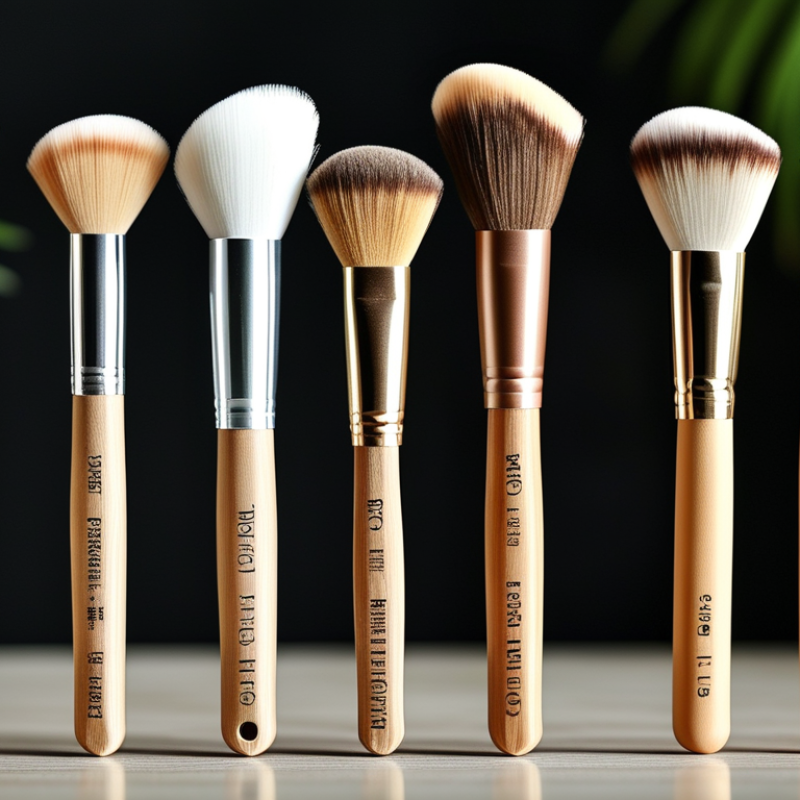
How are Vegan Makeup Brushes Made and What Materials Are Used?

Materials Commonly Used in Vegan Makeup Brushes

When it comes to vegan makeup brushes, the materials play a crucial role in their production. Commonly, these brushes are made from synthetic fibers such as nylon, Taklon, or polyester. These materials mimic the softness and flexibility of natural hair. As a result, they offer excellent application while being cruelty-free.

Another essential component is the brush handle. Many vegan brushes utilize wood, bamboo, or recycled aluminum. These materials minimize environmental impact. However, sourcing sustainable wood remains a challenge. Some brands may still rely on unsustainable timber. This inconsistency raises concerns about true eco-friendliness.

Moreover, glue and adhesives used in assembling vegan brushes are often plant-based. This avoids harmful chemicals found in traditional brushes. But it's important to verify claims of sustainability. Not all adhesives labeled as eco-friendly stand up to scrutiny. Consumers should research and choose brands that are transparent about their materials and production practices. The journey to truly vegan and sustainable beauty tools is ongoing, with room for improvement.

Common Materials Used in Vegan Makeup Brushes

The Process of Creating Vegan Makeup Brushes

The process of creating vegan makeup brushes involves meticulous attention to detail. Manufacturers start by selecting synthetic fibers, which serve as the bristles. These fibers are often made from materials like nylon or taklon. They mimic natural hair's texture. This choice ensures a soft touch without animal cruelty.

After sourcing the fibers, the next step is shaping the bristles. Artisans carefully cut and arrange the bristles to provide optimal performance. The shape can affect the brush's usability. A well-formed brush can enhance makeup application. However, achieving the perfect shape can be challenging, requiring multiple prototypes.

Finally, the bristles are attached to a handle. Handles often consist of wood or recycled materials. This reflects a commitment to sustainability. The entire process emphasizes ethical considerations. While many vegan brushes meet these standards, some may lack the durability of traditional brushes. This remains a point for reflection among consumers and manufacturers alike.

How are Vegan Makeup Brushes Made and What Materials Are Used?

Material Production Process Sustainability Performance
Nylon Extruded from petroleum or biomass High durability, recyclable Excellent for both liquid and powder products
Taklon Synthetic fibers made from polymer filaments Soft, cruelty-free, often withstands high temperatures Great for makeup application, feels soft on skin
Eco-Friendly Wood Sourced from sustainably managed forests Biodegradable and renewable resource Provides a sturdy base and good grip
Recycled Plastics Processed from post-consumer plastics Reduces waste, promotes circular economy Durable and versatile for various applications

Comparing Vegan and Traditional Makeup Brush Materials

Vegan makeup brushes are crafted using innovative materials that prioritize animal welfare and environmental sustainability. Unlike traditional brushes that often use animal hair, vegan options utilize synthetic fibers made from nylon or Taklon. These materials not only provide a cruelty-free alternative but also deliver superior performance. Reports indicate that these synthetic options can be just as effective in application, with even distribution of makeup products.

The difference in production processes is striking. Traditional brushes require sourcing animal hair, which can involve unethical practices. In contrast, producing vegan brushes often involves less environmental impact. According to a recent industry report, the market for vegan cosmetics, including brushes, has seen a growth rate of over 20% annually. This reflects a shift in consumer preference towards more ethical products.

However, not all synthetic materials are equal. Some brushes may still shed fibers or fail to hold products well. Consumers should be aware of the varying quality levels in the market. Investigating the specific materials used is essential for making informed choices. The evolution of vegan makeup brushes is paving the way for a more ethical beauty industry, but there are improvements still needed in design and performance.

Sustainable Practices in Vegan Brush Manufacturing

The production of vegan makeup brushes emphasizes sustainability and ethical practices. These brushes are created using materials that are not derived from animals, such as synthetic fibers made from nylon or polyester. According to a report by Market Research Future, the global vegan cosmetics market is expected to reach $20 billion by 2025, highlighting the growing demand for cruelty-free products.

In sustainable brush manufacturing, the sourcing of materials plays a crucial role. Many manufacturers use recycled materials and biodegradable packaging. For example, some brushes are crafted with sustainable bamboo handles, which reduces deforestation impact. However, the production process can still pose challenges. The use of synthetic materials, although vegan, raises concerns about plastic waste. Many companies are addressing this by implementing recycling programs.

Education on proper disposal methods is essential. A report from the Environmental Protection Agency emphasizes the importance of consumer awareness in reducing plastic pollution. While significant progress is being made, the production of vegan makeup brushes must evolve. Striking a balance between quality and sustainability will be key as the industry continues to grow and address its environmental footprint.

Benefits of Using Vegan Makeup Brushes for Consumers

Vegan makeup brushes offer numerous benefits for consumers seeking cruelty-free beauty options. These brushes are traditionally made with synthetic fibers, such as nylon or Taklon. Unlike animal hair, these materials do not harm animals during production. For many, this ethical consideration is crucial. Choosing vegan brushes aligns with a philosophy of compassion toward all living beings.

Additionally, vegan brushes often provide superior performance. The synthetic fibers can be engineered to mimic the softness of natural hair. They are also less susceptible to absorbing makeup, meaning users can achieve a flawless finish. Many consumers find these brushes easier to clean, reducing product buildup and extending their lifespan. The vibrant colors of vegan brushes can also add a fun aesthetic to any beauty routine.

However, transitioning to vegan brushes may require an adjustment period. Some users initially find the texture different. It can feel less soft compared to natural bristles. Yet, as more brands refine their techniques, this gap is closing. Overall, the benefits of using vegan makeup brushes shine through, promoting a more ethical and effective approach to beauty.

FAQS

: What materials are used in vegan makeup brushes?

: Vegan makeup brushes are mainly made from synthetic fibers like nylon, Taklon, or polyester, mimicking natural hair.

Are vegan brushes environmentally friendly?

Many use sustainable materials, but sourcing sustainable wood can be difficult. Some may still rely on unsustainable timber.

How are vegan brushes assembled?

They often use plant-based adhesives to avoid harmful chemicals. Verify sustainability claims, as not all are trustworthy.

What is the importance of proper disposal?

Proper disposal methods help reduce plastic pollution. Education on disposal is crucial for environmentally conscious consumers.

Is there a growing demand for vegan cosmetics?

Yes, the global vegan cosmetics market may reach $20 billion by 2025, reflecting increased consumer interest in cruelty-free products.

Are vegan brushes completely free of plastic?

Many use synthetic materials, raising concerns about plastic waste. Companies are working on recycling programs to address this issue.

What challenges remain in vegan brush manufacturing?

The industry faces issues with sustainable material sourcing and balancing quality with environmental impact, still needing improvement.

Do all brands provide transparent information?

Not all brands are transparent about their materials and practices. Researching brands is essential for informed choices.

Can vegan brushes perform like natural hair brushes?

Yes, synthetic fibers can match the softness and flexibility of natural hair, offering excellent application for makeup.

What role do manufacturers play in sustainability?

Manufacturers can reduce their impact by using recycled materials and biodegradable packaging, which is not always guaranteed.

Conclusion

Vegan makeup brushes are crafted using materials that do not involve animal-derived components, primarily synthetic fibers like nylon and Taklon. Understanding how are vegan makeup brushes manufactured involves exploring the intricate processes that create these tools, from selecting sustainable materials to the final assembly. The manufacturing process emphasizes eco-friendly practices, such as using recyclable packaging and minimizing waste, making these products appealing to environmentally conscious consumers.

Comparing vegan and traditional makeup brush materials reveals significant differences, particularly in ethical sourcing and animal welfare. Consumers benefit from using vegan makeup brushes, as they often offer the same performance as traditional brushes without the ethical concerns. Additionally, the growing popularity of these brushes highlights a shift towards more sustainable beauty practices, further encouraging manufacturers to innovate in this space.

Madeline

Madeline

Madeline is a dedicated marketing professional with a wealth of expertise in our company's core offerings. With a keen understanding of the industry, she brings a unique perspective to her role, consistently delivering high-quality content that highlights the superior aspects of our products. As......