When it comes to makeup tools, understanding what makes a makeup brush high quality is essential. Renowned makeup artist Lisa Eldridge states, "A high-quality brush can transform your application technique and elevate your makeup game." This insight from an industry leader emphasizes the importance of investing in the right tools.
A high-quality makeup brush should have soft, durable bristles. These bristles help blend products seamlessly. Poor quality brushes can lead to patchy applications and irritation of the skin. Functionality is key. The shape and size of the brush must match its intended use, whether for foundation or eye shadow. Experts often talk about the balance between price and performance, suggesting that the most expensive brushes don't always guarantee the best results.
Durability matters too. Quality brushes withstand regular cleaning without losing shape. However, many makeup enthusiasts often overlook maintenance, which is crucial for longevity. Reflecting on these aspects can lead to better choices. Ultimately, understanding what makes a makeup brush high quality involves a mix of knowledge and personal experience. Investing time in research can make all the difference.
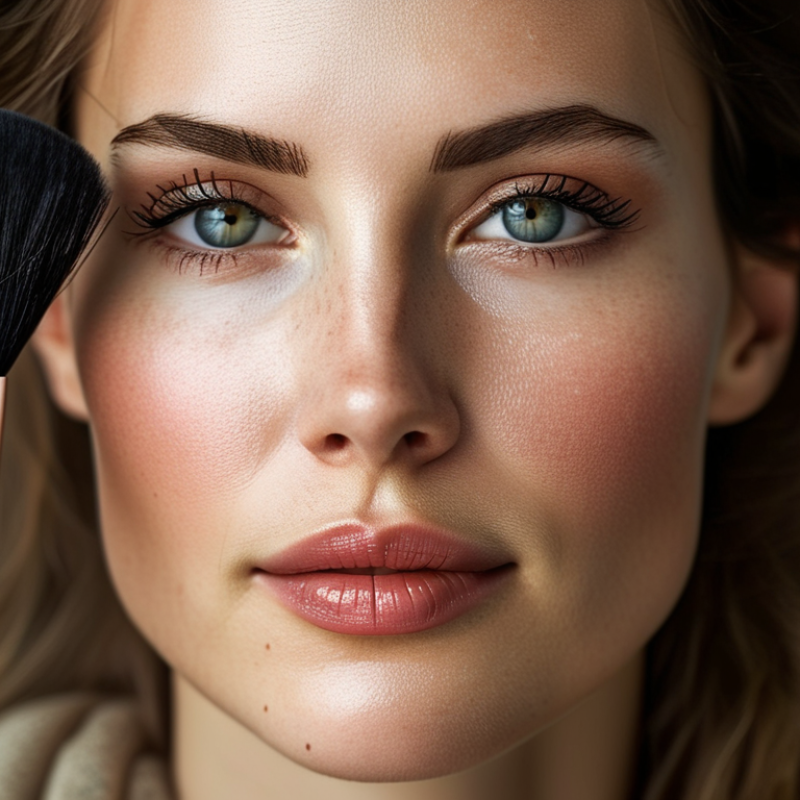
Choosing a high-quality makeup brush starts with understanding the materials used in its construction. Synthetic fibers, often made from nylon or polyester, are popular for their durability and ease of cleaning. They are less absorbent than natural fibers, which helps maintain hygiene. A report by the Cosmetic Ingredient Review suggests that synthetic brushes can reduce the risk of bacteria buildup, essential for sensitive skin.
Natural hair brushes, on the other hand, offer unique benefits. They often provide a softer touch and superior blendability. However, sourcing animal hair raises ethical concerns. A 2022 survey found that over 45% of consumers are willing to pay more for cruelty-free options. This shift reflects an increasing demand for sustainable practices in the beauty industry.
The handle material also influences brush performance. Wood handles are traditional and offer a sturdy grip. However, plastic options can be lighter and more affordable. A study from the Beauty Industry Institute indicated that 60% of users prefer brushes with ergonomic designs. This preference shows the importance of comfort in makeup application. Investing in quality brushes means considering both materials and ethical practices.
| Quality | Description | Material Type |
|---|---|---|
| Softness | Gentle on the skin, providing a smooth application | Synthetic or Natural Hair |
| Durability | Resistant to wear and tear, maintaining shape over time | Bristle Quality |
| Anti-Bacterial Properties | Prevents microbial growth, ensuring hygienic use | Synthetic Fibers |
| Versatility | Suitable for various makeup applications | Multi-purpose Bristle Blend |
| Grip Comfort | Comfortable handle for ease of use | Wood or Rubber |
| Density | Sufficient bristle density for effective application | Natural Hair or High-Quality Synthetic |
| Shape Retention | Maintains original shape after washing | High-Quality Bristle Construction |
| Easy to Clean | Can be cleaned easily without damage | Water-resistant Materials |
| Affordability | Good value for the quality provided | Affordable Synthetic Options |
| Eco-Friendliness | Made from sustainable materials | Recycled or Vegan Materials |
: Makeup brushes are typically made from synthetic fibers or natural hair. Synthetic fibers are durable, while natural hair offers softness.
Synthetic brushes reduce bacteria buildup, maintain hygiene, and are easier to clean, making them ideal for sensitive skin.
Natural hair brushes provide a soft touch and better blendability. However, they may raise ethical concerns regarding animal sourcing.
Brush handles can be made of wood or plastic. Wood offers a sturdy grip, while plastic is lighter and more affordable.
Soft bristles ensure gentle application and a smooth finish. Many artists prefer softer brushes for minimizing irritation on sensitive skin.
Denser brushes allow greater pigment application and better control. However, they can be heavy and require careful technique to use effectively.
It's essential to clean brushes regularly, ideally every two weeks. Neglecting this can lead to bacteria growth and decreased performance.
Keeping brushes upright in a cool, dry place prevents bristle damage and contamination, contributing to their longevity.
A significant percentage of beauty professionals replace their brushes annually, highlighting the impact of wear and tear.
Each user's experience with brushes can vary, underscoring the need for experimentation to find the right match for individual techniques.
When considering what makes a makeup brush high quality, several key factors come into play. First, the material quality of the brush significantly impacts its performance and longevity; high-quality brushes often utilize superior fibers or synthetic materials that enhance application results. Additionally, the shape and design of a brush dictate how effectively products are applied, making considerations like brush head size and taper important for achieving precise looks.
Moreover, bristle softness and density are crucial for optimal makeup application, as they affect how products blend on the skin. Ergonomic handle design ensures comfort and usability during application, allowing for better control and precision. Lastly, a high-quality makeup brush should be durable and easy to maintain, as proper care and a sturdy build contribute to the brush's lifespan, making it a worthwhile investment for any makeup enthusiast.

 Exio Beauty