Why You Should Replace Your Makeup Brushes Frequently?

Time:2026-06-09 Author:Isabella
0%

Makeup brushes play a vital role in achieving a flawless look. However, many overlook their maintenance. Dr. Lisa Adams, a leading skincare expert, emphasizes, “Dirty brushes can lead to skin issues.” This signals the importance of regularly replacing your brushes.

But how often should you replace makeup brushes? Experts suggest every three to six months, depending on usage. Brushes wear out and accumulate bacteria over time. Ignoring this can result in breakouts and irritation. Keeping brushes clean is not always enough.

Many people wait until brushes show visible wear. This reactive approach can lead to skin problems. Investing in new brushes is crucial for skin health. Remember, your beauty routine deserves the best tools. Frequent replacements safeguard against unwanted skin issues. It’s not just about beauty; it’s about skin health too.
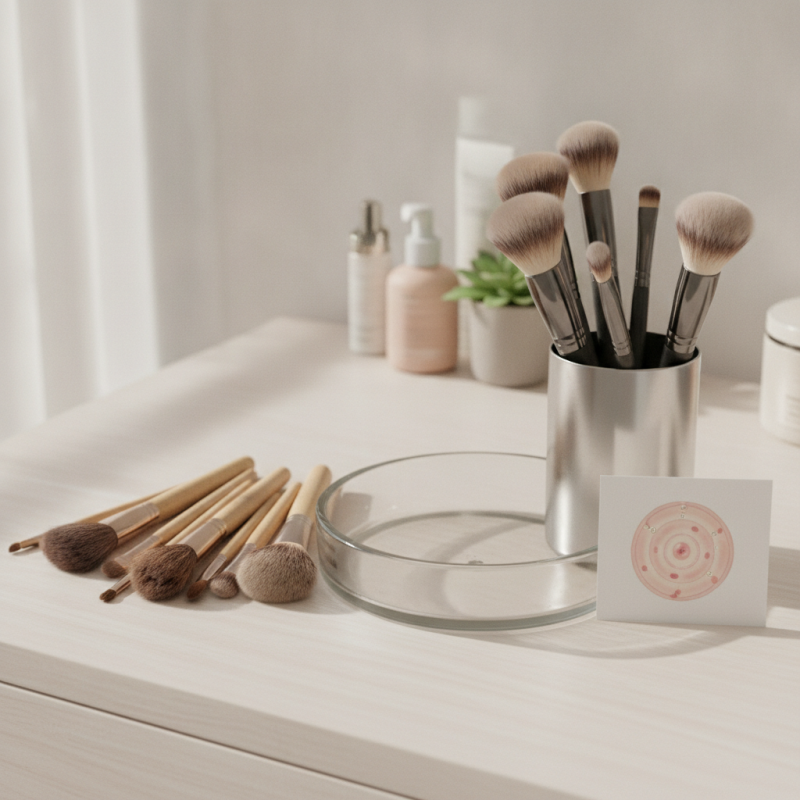
Why You Should Replace Your Makeup Brushes Frequently?

The Impact of Dirty Makeup Brushes on Skin Health

Using dirty makeup brushes can harm your skin. Bacteria, oils, and old makeup can accumulate on bristles. When you apply makeup, these impurities transfer onto your skin. This can lead to breakouts, irritation, and even infections.

Regularly cleaning your brushes helps minimize these risks. Ideally, you should clean them every week. If you haven't, think about when you last washed them. A neglected brush can harbor more than just makeup; it becomes a breeding ground for bacteria. Consider the last time you felt a pimple popping up after using your favorite brush.

Washing your brushes is easy and quick. Simply use warm water and mild soap. However, many of us often forget this important task. If you notice skin issues, it might be time for a change. Take a moment to reflect. Are you doing enough to protect your skin?

Why You Should Replace Your Makeup Brushes Frequently? - The Impact of Dirty Makeup Brushes on Skin Health

Brush Type Recommended Replacement Frequency Impact of Not Replacing Skin Issues Caused
Foundation Brush Every 1-3 months Bacteria buildup leading to skin irritation Acne, redness
Eyeshadow Brush Every 3-6 months Transfer of old pigments and oils Allergies, eye infections
Blush Brush Every 3-4 months Clogged pores Dullness, breakouts
Lip Brush Every 6 months Color contamination Cold sores, infections
Powder Brush Every 6 months Product buildup Irritation, uneven texture

Statistics on Bacterial Contamination in Makeup Brushes

Makeup brushes are often overlooked in daily hygiene routines. However, statistics reveal alarming levels of bacterial contamination in these tools. According to a study by the American Society for Microbiology, 70% of makeup brushes harbor harmful bacteria. This includes staph and E. coli. These bacteria can lead to skin irritations and infections.

Another report from the Journal of Applied Microbiology found that 90% of brushes tested contained bacteria after just one month of use. The average person tends to replace their brushes every 6-12 months. However, this is not frequent enough to prevent the buildup of harmful microbes. Regular cleaning is essential, but it may not be sufficient for heavily contaminated brushes.

Users often express hesitation about their brush hygiene. Many think that washing them once a week is adequate. But a concerning 80% of consumers admit to not cleaning their brushes regularly. This neglect can contribute to skin issues like acne and dermatitis. The dirty reality of makeup brushes shows a need for greater awareness and proactive measures.

Why You Should Replace Your Makeup Brushes Frequently?

The following chart illustrates the levels of bacterial contamination found in makeup brushes after extended use. Regularly replacing your brushes can drastically reduce exposure to harmful bacteria.

Recommended Replacement Frequency for Different Types of Brushes

Makeup brushes are essential tools for our beauty routines. However, they can harbor bacteria, dirt, and old product residues. This makes regular replacement crucial for skin health and flawless application. Different brushes require various replacement frequencies to ensure optimal hygiene and performance.

Foundation brushes should be replaced every 6 to 12 months. They absorb a lot of product and moisture, creating an environment for bacteria. Eyeshadow brushes can last longer, typically around 1 to 2 years. Still, frequent cleaning is necessary to prevent build-up. For lip brushes, consider replacing them every 6 months, as they contact your mouth’s bacteria.

Powder brushes can survive for up to 2 years if well cared for. Yet, they should still be washed regularly. Sponges, often overlooked, need to be replaced about every 3 months. Old sponges can harbor harmful microbes. Reflecting on your brush replacement habits can lead to healthier skin and improve makeup application. Are you waiting too long to replace your tools?

Symptoms and Signs of Using Worn-out Makeup Brushes

Using worn-out makeup brushes can seriously compromise your beauty routine. Signs of deterioration often include shedding bristles or frayed edges. When brushes are damaged, they can no longer apply makeup evenly, leading to a patchy finish. This can ruin even the best products, making them appear less effective.

One clear symptom of aging brushes is the build-up of product residue and bacteria. If your brushes feel sticky or have an unusual odor, it’s time for a replacement. Dull bristles also struggle to blend products seamlessly. This lack of precision can cause frustration during your makeup application.

Observe how your brushes interact with your skin. If you experience irritations or breakouts, consider the condition of your tools. The health of your skin depends not just on products but also on the cleanliness of your implements. Reflecting on these signs can aid in maintaining your beauty regimen while ensuring you’re using tools that support your goals.

Benefits of Regularly Replacing Makeup Brushes for Application Quality

Regularly replacing your makeup brushes is essential for optimal application quality. Dirty brushes can harbor bacteria. According to the American Academy of Dermatology, this can lead to skin irritation and breakouts. A study by the Journal of Cosmetic Dermatology suggests that professionals recommend replacing brushes every three to six months. This practice ensures that you apply products evenly and flawlessly.

Old brushes lose their shape and texture. They can cause uneven product application. The bristles may become stiff and rough. This affects how effectively products blend into the skin. Moreover, an article from the International Journal of Cosmetic Science highlights that using clean tools can enhance makeup's longevity. Fresh brushes can help achieve a smooth finish and vibrant color payoff. When your tools are worn out, you might find yourself constantly reapplying.

Investing time in maintaining your brushes pays off. It reflects on your overall look. Yet, many individuals overlook the significance of regular brush replacements. Relying on worn brushes can lead to frustration and poor application results. It's important to recognize the impact of tools on makeup quality. Prioritizing brush hygiene is an easy step toward a polished appearance.

FAQS

: How can dirty makeup brushes affect my skin?

: Dirty brushes can transfer bacteria and old makeup onto your skin, leading to breakouts and irritation.

How often should I clean my makeup brushes?

Ideally, clean your brushes every week to minimize bacteria build-up and skin issues.

When should I replace my foundation brush?

Replace foundation brushes every 6 to 12 months, as they absorb moisture and can harbor bacteria.

How long can I use my eyeshadow brushes?

Eyeshadow brushes can last 1 to 2 years, but they still need regular cleaning to prevent product build-up.

What are the signs that my makeup brushes need replacing?

Signs include shedding bristles, frayed edges, sticky texture, or unusual odors. If you notice these, consider replacing them.

How often should I replace makeup sponges?

Sponges should be replaced approximately every 3 months to avoid harboring harmful microbes.

Why don't I always remember to clean my brushes?

Cleaning brushes is often overlooked in busy routines. Reflect on how this impacts your skin health.

Can worn-out brushes affect makeup application?

Yes, damaged brushes lead to uneven application, resulting in a patchy finish that makes products less effective.

What happens if I use old brushes?

Using old brushes can lead to skin irritations and ineffective makeup application. It’s worth reflecting on your tools’ condition.

Conclusion

Regularly replacing your makeup brushes is crucial for maintaining optimal skin health and ensuring high-quality application. Dirty brushes can harbor harmful bacteria, leading to skin irritations, breakouts, and other dermatological issues. Studies show that makeup brushes can become significantly contaminated over time, making it essential to understand how often you should replace makeup brushes.

Typically, synthetic brushes should be replaced every six months, while natural hair brushes may require more frequent replacements due to higher rates of bacterial growth. Signs of worn-out brushes include fraying bristles and poor product application, which can compromise your beauty routine. By adhering to a replacement schedule, you can enhance your makeup application and protect your skin from potential risks associated with unclean tools.

Isabella

Isabella

Isabella is a dedicated marketing professional with a sharp focus on driving brand growth and engagement through strategic content creation. With an extensive background in digital marketing, she combines her passion for storytelling with her keen understanding of industry trends to deliver......