What Is a Reliable Brush Supplier for Beauty Brands?

Time:2026-09-18 Author:Henry
0%

A reliable brush supplier can shape more than a product line. It can influence application, customer trust, packaging costs, and repeat purchases. For a beauty brand, a brush is not merely a handle with bristles. It is a daily touchpoint between formula and skin.

The practical question is, what should beauty brands look for in a brush supplier? Start with evidence, not polished promises. Review material specifications, prototype quality, production capacity, and inspection records. Examine the brush closely. Are the bristles evenly cut? Does the ferrule stay secure after repeated washing? Does the handle feel balanced in a makeup artist’s hand? These small details often reveal larger manufacturing habits. Reliable suppliers should explain sourcing, quality controls, lead times, minimum order quantities, and corrective actions clearly. Traceable records matter when a batch does not match the approved sample.

Experience also requires patience. A beautiful prototype may hide shedding, odor, uneven density, or delays during scale-up. Early assumptions can be wrong. Brands should test samples under realistic conditions, including repeated use, cleaning, transport, and storage. Independent testing may help verify material safety and performance claims. No supplier is perfect. The stronger partner documents problems, communicates quickly, and improves the process without avoiding difficult questions. This article explores the practical signals that separate dependable brush manufacturers from attractive but risky choices.
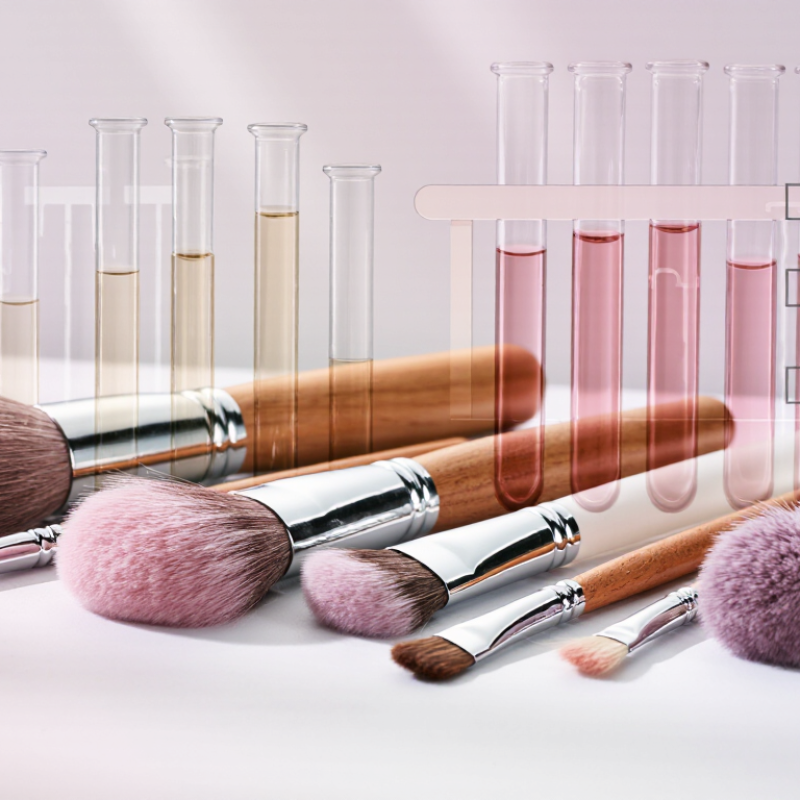
What Is a Reliable Brush Supplier for Beauty Brands?

What Makes a Brush Supplier Reliable Under ISO 9001 and ISO 22716?

A reliable brush supplier does more than deliver attractive samples. Under ISO 9001, reliability begins with controlled and repeatable processes. Clear specifications should cover bristle type, handle materials, ferrule fit, dimensions, and packaging. Each requirement needs an approved record.

Production staff should follow documented procedures. Inspection results should be traceable to batches, operators, and equipment. When a defect appears, the supplier should investigate its cause. Corrective action must address more than the visible problem.

Evidence matters.

For cosmetic brushes, ISO 22716 adds stronger expectations for hygiene and contamination control. A dependable supplier should manage incoming materials, clean work areas, staff hygiene, and storage conditions. Brushes should be protected from dust, moisture, loose fibers, and unsuitable contact surfaces. Packaging controls also deserve attention.

Ask for practical records.

These may include cleaning schedules, training logs, inspection reports, material declarations, and batch traceability documents. A supplier should explain how it handles rejected materials and customer complaints. Fast answers are useful, but accurate answers are more important.

No system is flawless.

During supplier assessments, I would examine how problems are recorded, not only how procedures look on paper. Some factories have polished manuals but weak follow-through. Others maintain simpler documents and stronger daily discipline. That difference can affect brush consistency, hygiene, and delivery performance. Regular internal audits, honest communication, and measurable improvement provide stronger assurance than certificates displayed without supporting evidence.

How Do Material Certifications Verify Bristle Safety and REACH Compliance?

What Is a Reliable Brush Supplier for Beauty Brands?

Material certifications provide an important starting point for verifying bristle safety. A reliable supplier should identify each bristle material clearly, including synthetic fibers, natural hair, adhesives, and dyes. Vague terms create risk. Request recent laboratory reports, material specifications, and batch traceability records before approving samples.

REACH compliance requires careful substance control. It is not simply a logo on a certificate. Suppliers should screen materials against current SVHC requirements and provide supporting declarations. Independent testing can check restricted substances, heavy metals, residual solvents, and colorant migration. The test report should show the laboratory, method, sample number, and testing date. Details matter.

Physical inspection also adds practical experience. Rub the bristles across clean skin, check shedding, and examine the ferrule connection under bright light. A safe material can still perform poorly. I have seen neat certificates paired with inconsistent samples, which deserves closer review. No process is perfect. Testing may miss a variation from a later production batch. For this reason, experienced buyers repeat checks during production and retain sealed reference samples. Clear communication, honest limitations, and prompt corrective action often reveal more about supplier reliability than polished paperwork.

Which AQL 1.5–2.5 Standards Should Govern Brush Quality Inspection?

What Is a Reliable Brush Supplier for Beauty Brands?

Which AQL 1.5–2.5 Standards Should Govern Brush Quality Inspection?

A reliable brush supplier should treat AQL as a decision tool, not a quality guarantee. ISO 2859-1 and ANSI/ASQ Z1.4 provide sampling methods for lot inspections. For beauty brushes, AQL 1.5 commonly suits major defects. These include loose ferrules, heavy shedding, exposed sharp edges, or incorrect dimensions. AQL 2.5 may suit minor defects, such as small surface marks or uneven finish. Critical defects should normally use an AQL of 0. The inspection plan must define this clearly.

The sampling level matters. General Inspection Level II is widely used for normal production checks. Inspectors select the sample size from the lot quantity and code letter. They then compare defect counts with acceptance and rejection numbers. AQL does not mean that 1.5% of products are automatically acceptable. It describes a sampling risk under a defined plan. McKinsey’s 2023 beauty market report projects about 6% annual growth through 2028, increasing pressure on consistency and speed. A rushed inspection can still miss odor, glue residue, or powder trapped inside dense bristles.

Tips: Require dry and wet shedding tests, ferrule-pull testing, odor checks, and bristle-length measurements. Photograph every rejected defect. Keep retained samples from each lot. I would also review supplier records monthly, because one passing shipment can hide a weakening process. AQL 1.5 may be too relaxed for eye-area brushes, while 2.5 may be unnecessarily strict for harmless cosmetic marks. Context matters.

What Is a Reliable Brush Supplier for Beauty Brands?

Which AQL 1.5–2.5 Standards Should Govern Brush Quality Inspection?

ISO 2859-1 uses AQL values as part of a sampling inspection plan. AQL 1.5, 2.0, and 2.5 represent progressively higher process-quality limits expressed as percentages of nonconforming units. The final acceptance decision depends on lot size, inspection level, sample size, and the applicable acceptance and rejection numbers. AQL is not a guarantee that every shipment will contain the same defect rate; critical defects should normally be controlled separately with a zero-tolerance requirement agreed in advance.

How Do MOQ, Lead Time, and Capacity Data Reveal Supply Reliability?

A reliable brush supplier proves consistency through measurable operating data, not polished promises. MOQ, lead time, and production capacity reveal how well a factory can support beauty brands.

MOQ
MOQ should match real production conditions. A supplier requesting 10,000 units may appear efficient, but the number means little without material and packaging details. Ask whether the MOQ applies per brush style, color, handle material, or total order.

In supplier reviews, I also check sample approval records and defect reports. A low MOQ can hide higher costs or weaker production control. That is not always a problem, but it requires careful comparison.

Lead time
Lead time should show each step clearly. A practical schedule separates sampling, material purchasing, production, inspection, and shipment. For example, a 35-day promise may exclude a two-week ferrule purchase.

Capacity data
Capacity data adds another layer. Request monthly output, active production lines, shift patterns, and current utilization. A factory running at 95% capacity may accept new orders but struggle with changes. Backup equipment and trained operators matter too. Numbers can still be incomplete. I once underestimated delays because a supplier reported machine capacity without including maintenance downtime. Reliability comes from checking the evidence, updating assumptions, and testing performance with a controlled order.

Why Do Traceability, Audits, and CPSIA Testing Matter for Beauty Brands?

A reliable brush supplier gives beauty brands more than attractive samples. It provides evidence that each brush can be traced from material to shipment. Ask for batch codes, production dates, and records for bristles, ferrules, handles, and adhesives. A clear paper trail helps teams investigate shedding, odor, breakage, or color changes.

Traceability becomes practical during a complaint. The supplier should identify the affected batch quickly, not search through scattered spreadsheets. Factory audits also matter. A useful audit checks worker training, incoming inspection, equipment maintenance, cleanliness, and final packing. Photos can help, but they cannot replace an on-site review. No audit is perfect. A corrective-action report should show the problem, owner, deadline, and follow-up evidence.

CPSIA testing deserves careful attention when brushes are intended for children or fall within applicable U.S. product requirements. Testing may examine lead, phthalates, and other restricted substances, depending on the product and materials. Use qualified, independent laboratories and keep reports linked to specific batches. A test report for one handle material may not cover a different coating or adhesive. That detail is easy to miss. During supplier reviews, request retained samples, test methods, laboratory credentials, and updated compliance records. A polished certificate means little if its product description is vague or outdated. Reliable suppliers welcome practical questions, admit process gaps, and improve documentation before a small defect becomes a large recall risk.

FAQS

Which AQL standards are suitable for brush quality inspection?

AQL 1.5 commonly suits major defects, including loose ferrules, heavy shedding, sharp edges, and incorrect dimensions. AQL 2.5 may suit minor marks or uneven finishes. Critical defects should normally use AQL 0. Context matters.

Does AQL 1.5 mean that 1.5% of brushes may pass with defects?

No. AQL describes sampling risk under a defined inspection plan. It does not automatically permit 1.5% defective products. The plan must state sample size, acceptance numbers, and rejection numbers.

Which sampling level is commonly used for normal production checks?

General Inspection Level II is widely used for routine lot inspections. Inspectors select a code letter from the lot quantity. They then determine the required sample size.

Which brush defects should inspectors check carefully?

Inspect loose ferrules, heavy shedding, exposed sharp edges, incorrect dimensions, odor, glue residue, and trapped powder. Dense bristles can hide residue. Look closely.

What tests can improve brush inspection accuracy?

Require dry and wet shedding tests, ferrule-pull testing, odor checks, and bristle-length measurements. Photograph every rejected defect. Retain samples from each production lot.

How should inspection standards differ for sensitive brush areas?

Eye-area brushes may need stricter limits than general cosmetic brushes. AQL 1.5 could be too relaxed for important safety concerns. Harmless surface marks may justify AQL 2.5.

How can MOQ reveal a supplier’s actual production reliability?

Ask whether MOQ applies to each style, color, handle material, or total order. A 10,000-unit MOQ may sound efficient. It means little without material and packaging details.

What lead-time and capacity information should a supplier provide?

Request separate timelines for sampling, material purchasing, production, inspection, and shipment. Ask for monthly output, production lines, shifts, utilization, backup equipment, and trained operators. Numbers can still be incomplete.

How can buyers test whether capacity claims are reliable?

Use a controlled order and compare promised timing with actual performance. Check maintenance downtime, approval records, and defect reports. I once trusted machine capacity figures too quickly. That mistake exposed hidden delays.

Conclusion

A reliable brush supplier gives beauty brands confidence through consistent systems, measurable quality, and transparent communication. What should beauty brands look for in a brush supplier? Key indicators include ISO 9001 quality management and ISO 22716-aligned manufacturing practices, supported by documented procedures, trained personnel, and controlled production environments. Suppliers should also provide material certifications that verify bristle safety, ingredient suitability, and REACH compliance, helping brands assess whether every component meets responsible sourcing and safety expectations.

Quality inspection should be governed by clearly defined AQL 1.5–2.5 standards, covering appearance, dimensions, function, cleanliness, and packaging. Reliable partners openly share MOQ, lead-time, production capacity, and contingency information rather than making vague promises. Strong traceability, routine internal and external audits, batch records, and relevant CPSIA testing further demonstrate accountability. Together, these factors help beauty brands reduce supply risks, maintain consistent product performance, and build a dependable long-term manufacturing partnership.

Henry

Henry

Henry is a dedicated marketing professional with a profound expertise in the company's offerings. With years of experience in the industry, he possesses an impressive understanding of the market dynamics and consumer behaviors that drive success. Henry is committed to sharing his insights through......