How to Clean Makeup Brushes Properly for Best Results?

Time:2026-06-16 Author:Liam
0%

Makeup brushes play a vital role in achieving a flawless look. However, many makeup enthusiasts overlook the importance of maintaining their tools. According to a survey by the International Beauty Association, over 70% of makeup users do not clean their brushes regularly. This negligence can lead to skin issues, such as breakouts and irritation. Understanding how to clean makeup brushes properly is essential for both hygiene and cosmetic performance.

With continuous use, brushes accumulate bacteria, oils, and makeup residues. A 2019 study found that dirty brushes can harbor harmful pathogens, potentially causing skin infections. Moreover, using unclean brushes can compromise makeup application, resulting in uneven coverage and diminished product effectiveness. Cleaning brushes regularly is not just a good practice; it's fundamental for your skin's health and your makeup's longevity.

Taking the time to clean brushes may seem tedious, but the benefits far outweigh the effort. Many users report improved skin clarity and makeup application after adopting a proper cleaning routine. However, users must remember that cleaning techniques matter. It’s not always straightforward, and finding the right method may require some experimentation. When learning how to clean makeup brushes properly, one might discover insights that elevate their beauty routine to new heights.
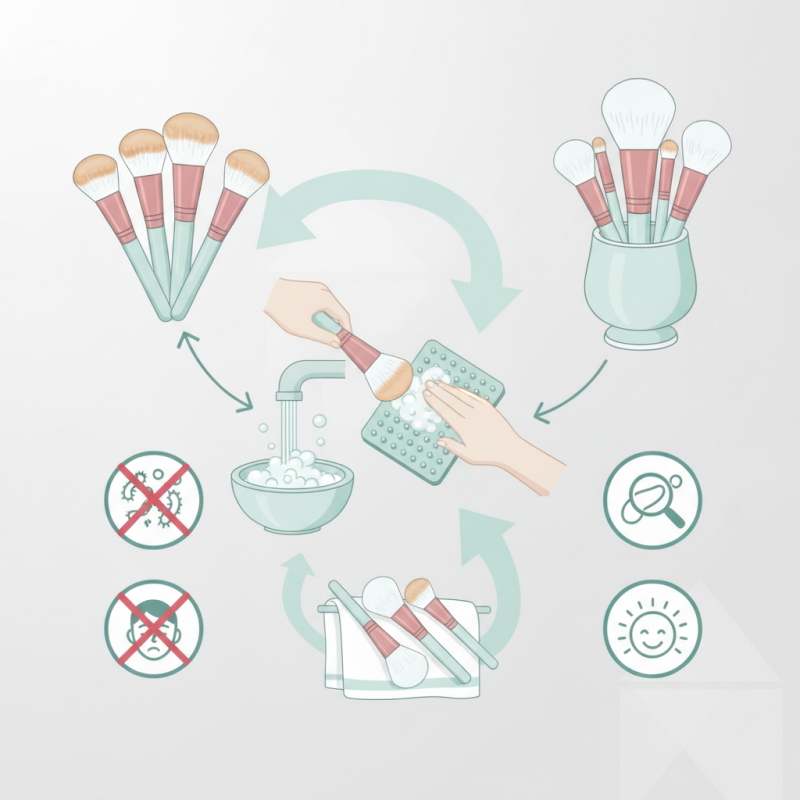
How to Clean Makeup Brushes Properly for Best Results?

Understanding the Importance of Cleaning Makeup Brushes Regularly

Cleaning makeup brushes is not just a chore; it's essential for skin health. Regularly washing your brushes removes dirt, oil, and bacteria. When brushes are dirty, they can cause breakouts and skin irritation. It's surprising how many people overlook this simple step.

Using clean brushes ensures a smoother application. The foundation blends better, and eyeshadows appear more vibrant. It's fascinating how a clean tool can transform your look. Yet, many still use unwashed brushes, risking their skin's health. Reflecting on your routine may reveal areas for improvement.

Cleaning can feel tedious, yet it pays off in the end. The right technique matters. A simple soap and water method can work wonders. Remember, a brush's lifespan improves with proper care, and that's worth the effort. Take time to reflect on your brush-cleaning routine; your skin will thank you.

How to Clean Makeup Brushes Properly for Best Results?

Brush Type Recommended Cleaning Frequency Cleaning Method Importance of Cleaning
Foundation Brush Every 1-2 weeks Use gentle soap and warm water, swirl in palm Prevents breakouts and product buildup
Eyeshadow Brush Weekly Use a brush cleaner or mild detergent Ensures color integrity and reduces irritation
Blush Brush Every 1-2 weeks Wash with baby shampoo and rinse thoroughly Maintains brush softness and performance
Lip Brush After each use Clean with rubbing alcohol Prevents color contamination and bacterial growth
Powder Brush Once a month Shake out excess powder and wash Retains quality of powder products

Choosing the Right Cleaning Solution for Your Makeup Brushes

Choosing the right cleaning solution for your makeup brushes is crucial for maintaining their quality. A gentle soap or a specialized brush cleaner can work wonders. Look for products that are free from harsh chemicals. Natural solutions like olive oil mixed with mild soap are also effective. They can break down makeup residue without damaging bristles.

Consider the material of your brushes. Synthetic fibers often need less delicate care compared to natural bristles. Water temperature is another factor. Hot water might seem effective, but it can warp brush shapes. Cold or lukewarm water is typically a safer choice. Reflect on the last time you cleaned your brushes. If it has been more than a week, it’s time for a proper wash.

Don't forget about frequency. Rushing through the cleaning process may lead to bacteria build-up. Spend time ensuring each brush is adequately cleaned. Pay attention to brush heads that pick up more pigment. These often require extra care. Be patient with the process, and don't overlook how vital this step is for healthier skin.

Step-by-Step Guide to Cleaning Different Types of Makeup Brushes

Cleaning makeup brushes is crucial for maintaining skin health and achieving flawless makeup application. According to a study by the American Academy of Dermatology, using dirty brushes can harbor bacteria, leading to breakouts and skin irritation. This risk emphasizes the need for a robust cleaning routine.

Start by gathering all your tools. Use lukewarm water and a gentle cleanser, such as dish soap or a designated brush cleaner. For synthetic brushes, gently swirl them in the solution and rinse until the water runs clear. Natural hair brushes require more care. Avoid soaking them completely to preserve their shape and quality. Swirl them without submerging the ferrule, as water can loosen the glue.

Different brush types require unique approaches. For foundation brushes, use a more rigorous cleaning method, as they often hold oils. Eye brushes can be cleaned less frequently but should still be maintained regularly. A study revealed that 62% of makeup users neglect proper brush hygiene, which can lead to compromised application and skin concerns. Take time to reflect on your cleaning habits. Are they meeting your skin’s needs? Regular cleaning can enhance both makeup longevity and skin health, making it a worthwhile habit.

Makeup Brush Cleaning Frequency

Drying and Storing Your Brushes for Longevity and Hygiene

After cleaning your makeup brushes, drying them properly is essential for maintaining their quality. Lay your brushes flat on a clean towel. This prevents water from seeping into the ferrule, which can loosen the bristles over time. Some people may stand their brushes upright in a holder, but this isn’t ideal. Instead, allow them to dry completely in a shaded area to avoid damage from direct sunlight.

Storing your brushes requires attention to hygiene and longevity. Use a brush holder that keeps them upright and separated. Crowding them in a container can lead to bristle damage and contamination. Make sure your storage area is clean. Dust and moisture can harbor bacteria, which may lead to skin irritations. Regularly clean the storage container as well. Consider giving your brushes a quick deep clean every few weeks. This ensures they remain in good condition and effective for your beauty routine. Keep your brushes organized, but don't rush the drying process—this is crucial for their longevity.

Signs You Need to Replace Your Makeup Brushes Regardless of Cleaning

When it comes to makeup brushes, regular cleaning is essential, but sometimes cleaning isn’t enough. Observe your brushes for signs that they need replacement. One clear indicator is frayed bristles. If you notice that your brush hairs are splitting or falling out, it’s time to consider a new tool. Frayed brushes may not only apply makeup poorly but can also irritate your skin.

Another sign is a persistent odor. If your brushes smell bad even after cleaning, they might harbor bacteria. This can lead to breakouts or other skin issues. Additionally, if brushes take longer to dry or retain water, it indicates damage. Brushes should feel clean and maintain their shape after washing. If yours start to feel limp or misshapen, it’s a signal to replace them.

Pay attention to how brushes feel against your skin. If they no longer provide a smooth application or cause discomfort, it is a valid reason for replacement. Investing in quality brushes is crucial; they should enhance your makeup experience, not hinder it. Trust your instinct and know when it’s better to let go of old brushes for healthier skin and flawless makeup.

FAQS

: Why is cleaning makeup brushes important?

: Cleaning brushes is vital for skin health and prevents breakouts. Dirty brushes can harbor bacteria.

How should I clean synthetic brushes?

Swirl synthetic brushes gently in lukewarm water with a cleanser. Rinse until water runs clear.

What care do natural hair brushes need?

Avoid soaking natural hair brushes. Swirl them without submerging the ferrule to keep their shape.

How often should I clean my foundation brushes?

Foundation brushes should be cleaned more rigorously and often, as they collect oils more quickly.

How can I dry my brushes properly?

Lay brushes flat on a towel to dry. Do not stand them upright; this prevents water damage.

What’s the best way to store brushes?

Use a holder that keeps brushes upright and separated. Crowding them can damage bristles.

What should I consider when cleaning my storage container?

Regularly clean your storage area. Dust and moisture can harbor bacteria, causing skin irritations.

How often should I deep clean my brushes?

Consider a deep clean every few weeks to maintain brush condition and effectiveness.

Can neglecting brush hygiene impact makeup application?

Yes, poor brush hygiene affects makeup application and can lead to skin concerns. Reflect on your cleaning habits.

Is drying brushes in sunlight a good idea?

No, sunlight can damage your brushes. Dry them in a shaded area for better preservation.

Conclusion

Cleaning makeup brushes is essential for maintaining hygiene and ensuring the best application of products. Understanding the importance of regularly cleaning your brushes helps prevent skin issues and improves the longevity of the brushes. When considering how to clean makeup brushes properly, selecting the right cleaning solution is crucial, as it can make a significant difference in the cleanliness and preservation of your tools.

A step-by-step guide to cleaning different types of brushes can simplify the process, ensuring that each brush is thoroughly cleaned according to its specific needs. After washing, drying and storing the brushes correctly will contribute to their durability and hygiene. Finally, it’s important to recognize the signs that indicate when brushes need to be replaced, regardless of how well they are cleaned, to maintain optimal performance and hygiene in your makeup routine.

Liam

Liam

Liam is a dedicated marketing professional with a profound expertise in the industry, where he excels at highlighting the unique advantages of our core products. With a keen understanding of market trends and consumer needs, Liam frequently updates our company’s professional blog, providing......