Makeup brushes are essential tools in any beauty routine. They help achieve flawless application and blending of products. However, a common issue users face is brush shedding. Have you ever wondered why do makeup brushes shed? This problem can be frustrating. It impacts the performance of the brush and the overall makeup experience.
Shedding occurs for various reasons. Factors include low-quality materials, improper cleaning methods, and inadequate storage. When the bristles come loose, it not only affects application but also leads to wasted products. You might find stray hairs on your face or in your makeup bag. It’s a reminder to reflect on your brush maintenance practices.
Preventing shedding requires attention and care. Choosing high-quality brushes is crucial. Regular, gentle cleaning is also important to maintain the integrity of the bristles. Additionally, proper storage techniques can prolong the life of your tools. Awareness of these practices can lead to better makeup application and a more enjoyable experience. Taking the time to care for your brushes can yield significant improvements in your beauty routine.
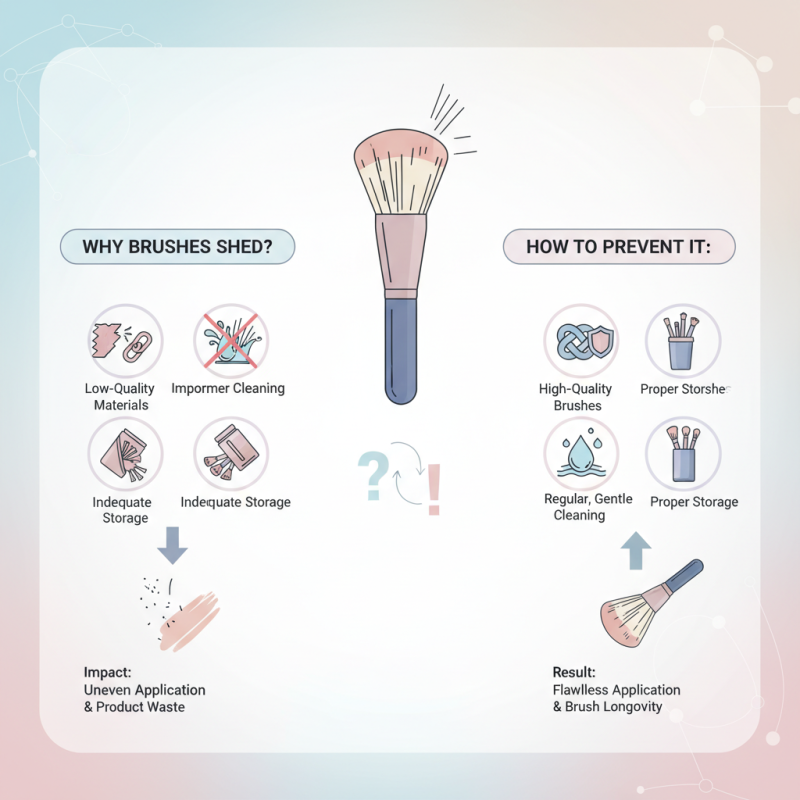
Understanding Makeup Brush Shedding: Causes and Effects
Makeup brush shedding is a common frustration for many beauty enthusiasts. Understanding the causes behind this issue can help mitigate its effects. Brushes can shed due to several reasons. Poor quality materials, frequent washing, and improper storage contribute significantly to this problem. Natural hair brushes often shed more than synthetic ones. This occurs especially when they are new or poorly made.
To reduce shedding, proper care is essential. Regularly clean your brushes using gentle cleansers, but avoid excessive washing. Tips involve rinsing brushes in lukewarm water and letting them dry flat. Avoid soaking them fully, as water can weaken the glue that holds hairs in place. Store brushes upright in a holder to maintain their shape and prevent damage.
Even with the best practices, some shedding may still happen. It’s crucial to monitor how your brushes perform. If shedding becomes excessive, it might be time to consider investing in higher-quality brushes. Reflecting on your brush care routine can lead to improvements over time. Each brush requires attentive maintenance to last longer and perform well.
Common Materials Used in Makeup Brushes and Their Shedding Tendencies
Makeup brushes come in a variety of materials, each with unique shedding tendencies. Synthetic brushes, often made from nylon or polyester, are known for their durability. However, lower-quality synthetic brushes can still shed bristles over time. When maintaining these brushes, gentle cleaning is key. Harsh soaps can break down the fibers, leading to more shedding.
Natural hair brushes, such as those made from squirrel, goat, or pony hair, are beloved for their softness and ability to blend. Yet, these brushes tend to shed more than synthetic ones. The structure of natural hair makes it prone to damage. Regularly conditioning your natural makeup brushes may help retain their integrity. However, some hair types may always shed at a higher rate, reflecting their natural behavior.
Ultimately, knowing your brushes’ materials gives insight into their care. It’s essential to invest in quality brushes if shedding bothers you. Identifying when a brush is nearing the end of its life is also crucial. Sometimes, despite your best efforts, shedding happens. This reality requires patience and an understanding that even quality brushes have limitations.
Why Do Makeup Brushes Shed and How to Prevent It?
| Brush Material |
Shedding Tendency |
Common Uses |
Prevention Methods |
| Natural Hair |
Moderate to High |
Powder products, Blending |
Gentle Washing, Proper Drying |
| Synthetic Fiber |
Low to Moderate |
Liquid products, Foundation |
Regular Cleaning, Avoiding Harsh Chemicals |
| Horse Hair |
Moderate |
Powder products, Blending |
Avoid Wetness, Use Brush Guards |
| Goat Hair |
Low to Moderate |
Blending, Soft application |
Proper Storage, Limit Use of Water |
How to Properly Clean and Maintain Makeup Brushes to Reduce Shedding
Cleaning makeup brushes regularly is crucial for preventing shedding. Many brushes shed hair due to poor maintenance or improper cleaning techniques. The bristles can become damaged from harsh cleaning agents or excessive washing. Opt for gentle cleansers designed for brushes. A mild shampoo or baby wash can also work wonders in maintaining brush integrity.
Proper technique is essential. Rather than swirling brushes in water, gently swish them in a cleaning solution. Rinse bristles under lukewarm water while ensuring the ferrule does not get wet. This area is where bristles are glued, and excess water can weaken the adhesive. After rinsing, reshape the bristles and lay them flat to dry. Avoid standing them upright, as water can seep into the base.
Additional care is often overlooked. Store brushes in a dry place, away from direct sunlight, which can affect bristle quality. Regularly check for loose hairs and trim any that appear damaged. It’s important to accept that some shedding may occur, but proper care can minimize this significantly. Reflecting on your cleaning routine can lead to better brush health and longevity.
Tips on Choosing Quality Makeup Brushes to Prevent Shedding
When selecting quality makeup brushes, it's essential to consider the materials and construction. Natural hair brushes often provide superior softness and blending capabilities. However, they can be prone to shedding. Synthetic brushes, while often more durable, can also experience shedding due to poor construction. Understanding the differences can help you make informed choices.
Look for brushes with sturdy ferrules. A well-secured ferrule holds the bristles tightly in place. This prevents them from falling out during use or cleaning. Additionally, consider the handle's quality. A solid handle contributes to the brush's overall longevity. Brush length and shape also matter, as they affect your application technique.
You should inspect the brush before purchasing. A few stray hairs are normal, but excessive shedding is a red flag. Holding the brush and feeling for firmness can also reveal quality. Learning to recognize these signs requires experience. It might take time, but developing this insight ensures a better shopping experience.
When to Replace Your Makeup Brushes to Avoid Shedding Issues
When it comes to makeup brushes, shedding can be a frustrating issue. Knowing when to replace your brushes is crucial to maintaining makeup application quality. Brushes typically last 6 months to 1 year, depending on their usage. Frequent shedding may indicate that it's time to consider a replacement.
Look for signs like bristle loss or uneven application. If your brush feels scratchy or clumps together, replacement is necessary. Each time you use a worn brush, you risk being left with an unflattering finish. It’s vital to inspect your brushes regularly.
Cleaning brushes can extend their lifespan, but it won't prevent all shedding. Even well-cared-for brushes will wear down over time. If shedding persists despite good maintenance, consider investing in new brushes. Quality matters here. Opting for better materials can reduce future shedding. Remember, a good brush can enhance your makeup experience significantly.
FAQS
: Brushes may shed due to poor quality materials, frequent washing, and improper storage. Natural hair brushes shed more than synthetic ones.
Clean brushes gently with mild cleansers. Avoid excessive washing, soak them, or let them dry upright.
Synthetic brushes are durable and less prone to shedding. However, some low-quality options may still shed bristles.
Replace brushes every 6 months to 1 year, especially if shedding increases or application quality decreases.
Look for bristle loss, uneven application, or if the brush feels scratchy. These are signs of wear.
Regular cleaning can help, but it won't stop all shedding. Brushes will wear down over time despite proper care.
Yes, better materials can minimize shedding and enhance your makeup experience. Quality does matter in brush performance.
Ignoring shedding can result in an unflattering finish and diminished makeup application quality. Regular checks are essential.
Store brushes upright, condition natural hair brushes, and avoid harsh soaps. Care impacts shedding and overall performance.
Shedding is common even with good care. Embrace the reality that some brushes will shed regardless of quality.
Conclusion
Makeup brushes are essential tools in achieving a flawless look, but many users often wonder, "why do makeup brushes shed?" Shedding can occur due to various factors, including the materials used in the brushes, such as natural or synthetic fibers, which possess different shedding tendencies. Understanding these causes and their effects can help users better care for their brushes.
To minimize shedding, it is crucial to clean and maintain brushes properly, as buildup can weaken fibers and lead to damage. Choosing high-quality brushes can also significantly reduce shedding issues. Finally, users should be aware of when to replace their brushes to maintain optimal performance and avoid shedding problems. By following these guidelines, makeup enthusiasts can prolong the life of their brushes and enhance their makeup application experience.

 Exio Beauty