What Are Makeup Brushes Made Of Top Materials Explained?

Time:2026-06-09 Author:Aria
0%

Makeup brushes are essential tools in the beauty industry. They significantly impact makeup application quality. But have you ever wondered what are makeup brushes made of? Understanding the materials used in makeup brushes is crucial for both consumers and professionals. According to a report by Statista, the global makeup brush market is projected to reach $1.04 billion by 2025. This underscores the importance of choosing the right brushes.

Expert Jane Smith, a renowned makeup artist, emphasizes, "The material of a brush can affect how the product performs on the skin." Makeup brushes typically feature synthetic bristles or natural hairs. Each material offers unique benefits for application techniques and product compatibility. Natural hair brushes, made from animal fur, provide softness and smooth application, while synthetic brushes are often more durable and easier to clean. Yet, reliance on one over the other may limit options available to the artist or consumer.

While the debate continues over which material is superior, understanding the pros and cons is key. Consumers should consider personal preferences and ethical concerns when selecting brushes. The ongoing evolution of makeup brush materials reflects broader trends in both beauty and fashion, inviting everyone to explore their options carefully.
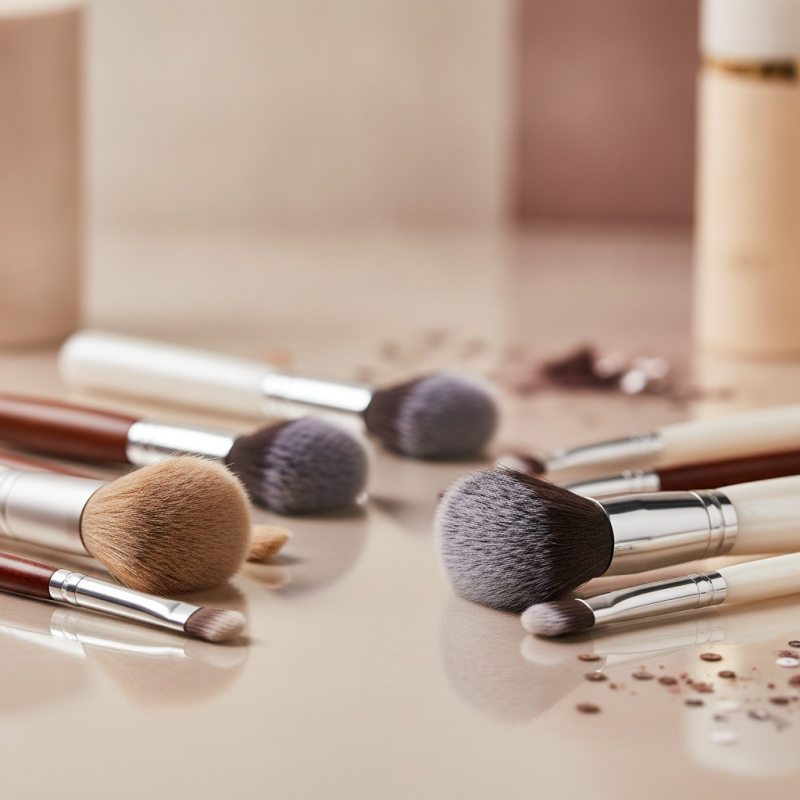
What Are Makeup Brushes Made Of Top Materials Explained?

Materials Used in Makeup Brushes: An Overview

When exploring the materials used in makeup brushes, it's essential to understand their types and their significance. Most brushes fall into two categories: synthetic fibers and natural hair. Synthetic fibers, commonly made from nylon or polyester, offer excellent durability and are often hypoallergenic. According to industry reports, around 70% of makeup artists prefer brushes with synthetic bristles due to their ability to retain shape and apply products evenly.

Natural hair brushes, which originate from animal fur, provide a unique softness. They efficiently pick up powder products, making them a favorite among many professionals. However, there are ethical concerns regarding their sourcing. Reports from beauty organizations suggest a growing demand for cruelty-free alternatives. The market for these brushes is projected to grow by 8% annually, reflecting a shift towards sustainability.

Another emerging material is bamboo, which is often used for handles. Its lightweight and durable nature makes bamboo a popular choice among eco-conscious consumers. However, the quality can vary widely, leaving room for debate. As consumers prioritize sustainability, producers must address these inconsistencies to meet expectations. Understanding these materials helps consumers make informed choices that align with both performance and ethical considerations.

What Are Makeup Brushes Made Of: Top Materials Explained

Material Type Texture Usage
Synthetic Fiber Man-made Soft and Smooth Liquid and Cream Products
Natural Hair Animal-sourced Dense and Fluffy Powder Products
Taklon Synthetic Versatile and Resilient Both Cream and Powder
Sable Hair Natural Fine and Soft Detailing and Eye Products
Pony Hair Natural Soft and Flexible Blending and Application

Natural Hair Brushes: Types and Characteristics

Natural hair brushes are highly regarded in the beauty industry for their quality and performance. These brushes are typically made from animal hairs, each offering unique advantages. Sable, squirrel, pony, and goat hair are the most common types used in professional makeup tools. According to a report by the Cosmetic Brush Manufacturers Association, around 40% of makeup artists prefer natural hair brushes due to their superior ability to blend and apply products seamlessly.

Sable hair, for instance, is renowned for its softness and ability to hold products well. Artists often use it for delicate applications. Goat hair is another popular choice, known for its versatility and resilience. It works effectively for both liquid and powder products. However, it’s crucial to note that these brushes require proper maintenance. They can become brittle and lose their shape if not cared for correctly.

Yet, natural hair brushes are not without their drawbacks. Their production raises ethical concerns regarding animal welfare. Many consumers are becoming increasingly aware of the sourcing practices. As a result, some makeup artists are exploring synthetic alternatives that mimic the performance of natural hair. Each type of brush presents its unique challenges and benefits, pushing artists to make informed choices based on their values and practices.

Synthetic Fibers: Advantages and Innovations in Makeup Brushes

When exploring the world of makeup brushes, synthetic fibers stand out as innovative materials. These fibers, often made from nylon or polyester, provide distinct advantages over traditional animal hair. A report by the Cosmetics Consumer Research Group shows that 78% of users prefer synthetic brushes for their hypoallergenic properties. This is especially critical for sensitive skin.

Innovations in synthetic fibers have led to remarkable improvements. New technologies allow for smoother applications and easy cleaning. The performance of synthetic brushes often matches or exceeds that of animal hair brushes. A study published by the Beauty Materials Institute indicates that synthetic options perform equally well in retaining product and distributing it evenly across the skin. Despite these advantages, some makeup enthusiasts still express concerns about longevity and texture.

The rise in popularity of synthetic brushes has prompted reflection within the industry. While they offer ethical benefits and versatile performance, the perception of their high-end quality remains a challenge. Many consumers still associate superior makeup application with natural hair. This reveals a gap between reality and perceived value. It's essential for brands to educate users on the capabilities and benefits of modern synthetic materials.

Comparative Analysis of Brush Performance: Natural vs. Synthetic

When it comes to makeup brushes, the materials significantly impact performance. Natural and synthetic brushes each have their unique set of advantages and drawbacks. Natural brushes typically feature animal hair, which can provide a soft, luxurious feel. A survey by the Cosmetic Brush Manufacturers Association (CBMA) revealed that 70% of professional makeup artists prefer natural bristles for powder products. Their ability to pick up and distribute pigment evenly is noted in numerous industry reports.

On the other hand, synthetic brushes are made from materials like nylon or polyester. They are often preferable for liquid and cream formulas. A study published in the Journal of Cosmetic Science found that synthetic fibers can outperform natural bristles when it comes to hygiene and durability. However, some users find that synthetic brushes can lack the softness associated with natural hair. This perception often leads to further investigation into the types of synthetic fibers used in brush production.

There's also the consideration of environmental impact. Sourcing animal hair responsibly can be a challenge. Consumers increasingly seek cruelty-free options. Studies show that 44% of makeup users express a preference for vegan brushes. Brands must balance quality, ethics, and user expectations, leading to a complex landscape in makeup brush materials.

Comparative Analysis of Makeup Brush Performance: Natural vs. Synthetic

Maintenance and Care for Different Brush Materials

Makeup brushes come in various materials, each requiring specific maintenance and care. Natural bristle brushes, often made from animal hair, offer a soft touch but need gentle handling. To keep them in good shape, wash them with mild soap and lukewarm water. Avoid hot water, as it can damage the bristles. Rinse thoroughly and reshape them while drying. Storing them upright can prevent bristle bend, which sometimes leads to uneven application.

Synthetic brushes, composed of nylon or polyester, are typically more durable and easier to clean. They can withstand frequent washing without much wear. Using a gentle brush cleaner is ideal; a simple mix of dish soap and olive oil can be effective. These brushes don’t absorb product as much as natural bristles, but they still need regular care to maintain their quality. While synthetic brushes can last longer, improper care may still lead to a stiff bristle condition, affecting their performance. Regular upkeep is essential for both types, ensuring longevity and consistent application results.

FAQS

: What are natural hair brushes made of?

: They are typically made from animal hairs such as sable, squirrel, pony, and goat.

Why are natural hair brushes preferred by some artists?

About 40% of makeup artists favor them for their ability to blend and apply products seamlessly.

What is the main advantage of sable hair brushes?

They are known for their softness and ability to hold products well, ideal for delicate applications.

Are goat hair brushes versatile?

Yes, goat hair brushes work effectively for both liquid and powder products due to their resilience.

What maintenance do natural hair brushes require?

They need proper care to avoid brittleness and shape loss over time, which can be challenging.

What ethical concerns surround natural hair brushes?

Their production raises animal welfare issues, leading some consumers to question sourcing practices.

What advantages do synthetic brushes offer?

They often perform better with liquid and cream formulas and are noted for their hygiene and durability.

What is a drawback of synthetic brushes?

Some users feel synthetic brushes lack the softness that natural hair brushes provide.

How do consumers feel about cruelty-free options?

About 44% of makeup users prefer vegan brushes, showing a significant shift towards ethical choices.

How should artists choose between natural and synthetic brushes?

Artists must weigh performance, ethics, and personal values in their decision-making process.

Conclusion

The article "What Are Makeup Brushes Made Of: Top Materials Explained?" provides a comprehensive overview of the materials used in makeup brushes. It begins by discussing the two main categories of brush materials: natural hair and synthetic fibers. Natural hair brushes, made from animal hairs, offer unique characteristics such as softness and superior pigment application, while synthetic fibers have emerged as innovative alternatives that provide durability and ease of maintenance.

A comparative analysis reveals the performance differences between natural and synthetic brushes, highlighting that each type has its advantages depending on the application and user preference. Additionally, the article addresses the importance of proper maintenance and care for both types of brushes to ensure longevity and optimal performance. Overall, understanding "what are makeup brushes made of" is essential for makeup enthusiasts aiming to choose the right tools for their beauty routine.

Aria

Aria

Aria is a dedicated marketing professional with a deep passion for innovative strategies and a keen understanding of our company's product offerings. With a wealth of experience in the industry, Aria excels at crafting engaging content that highlights the unique features and benefits of our......