Understanding how are makeup brushes made is essential for anyone passionate about cosmetics. The quality of these tools profoundly influences makeup application and overall results. High-quality brushes can enhance the final look and improve user experience.
From selecting the bristles to assembling the handle, each step matters. Different materials affect performance and durability. For example, natural hair brushes can provide a soft touch, whereas synthetic fibers are often versatile and easy to clean. However, knowing the specifics of how these materials are processed and combined can be a complex journey.
As we look ahead to 2026, manufacturers are focusing on innovation. Eco-friendly materials and efficient production methods are becoming popular. Yet, challenges remain, particularly in sourcing quality materials. Consumers must stay informed about these developments. Understanding the intricacies of brush production not only enhances our makeup experience but also fosters a deeper appreciation for artistry in beauty.
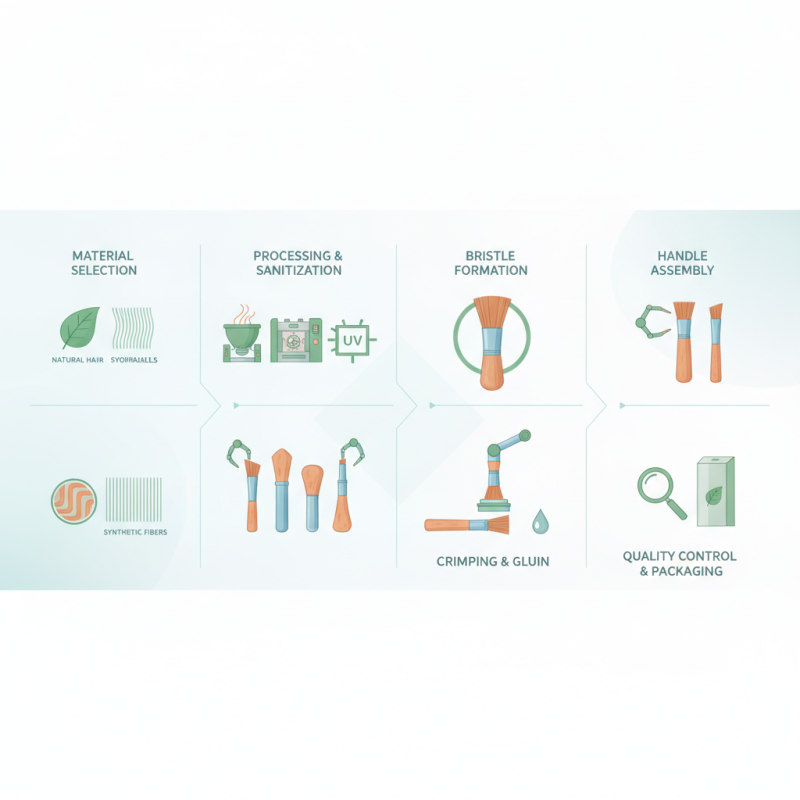
The evolution of makeup brush manufacturing techniques has transformed the industry significantly. In recent years, advancements in materials and technology have led to brushes that offer better performance. For instance, synthetic fibers are now commonly used, providing softness and durability. These materials are often easier to clean and maintain than natural hair. However, some users still prefer the traditional feel of natural bristles, which raises concerns about sustainability.
Production methods have also shifted. The introduction of automated machinery allows for precision, but it may lack the craftsmanship that handmade brushes offer. While machines can produce consistent results, the human touch adds unique qualities to each brush. This can create inconsistencies, leading to debates over quality.
As we approach 2026, the challenge remains to balance efficiency with artistry. Consumers look for quality that truly enhances their makeup experience. The importance of ethical sourcing also plays a role. Brands must consider the environmental impact of their choices. This ongoing evolution pushes manufacturers to reflect on their practices and strive for improvement in both quality and ethics.
When it comes to high-quality makeup brushes, the materials play a crucial role. Often, makeup brushes are crafted from synthetic fibers or natural hairs. Each material has its own unique benefits and drawbacks.
Natural bristles are soft and ideal for powders. They provide a seamless application, making them a favorite among artists. However, they can be challenging to maintain and may not be suitable for sensitive skin. On the other hand, synthetic fibers are durable and easy to clean. They work well with cream and liquid products. Yet, some users complain that they lack the luxurious feel of natural brushes.
Tips: Always check the bristle density. Too dense can lead to streaks. A softer brush might feel better but can pick up less product. Consider your makeup style—do you prefer a bold look or a more natural finish?
Moreover, the handle material matters. Wooden handles offer a sturdy feel but can be heavy. Plastic handles are lightweight but may feel less premium. Think about what feels comfortable in your hand during application. Reflect on the quality, as a good brush can last for years if cared for properly.
When considering the quality of makeup brushes, the debate between handcrafted and machine-made options is crucial. Handcrafted brushes often stand out due to the expertise of skilled artisans. These brushes typically feature natural bristles, carefully selected for their unique characteristics. Artisans shape each brush head meticulously, ensuring superior performance for different makeup applications. Their attention to detail can elevate a makeup experience.
On the other hand, machine-made brushes offer consistency in production. They can be mass-produced at a lower cost, making them accessible to many users. However, this may come at the expense of quality. Machine production may overlook nuances in bristle selection and shape. As a result, some users may find them less effective for blending or precise application. The rapid production can lead to a lack of individuality in each brush.
Choosing between these two types can be challenging. Many users may prefer the unique touch of handcrafted brushes. Yet, others might prioritize affordability and uniformity. It’s essential to reflect on personal needs and preferences. Evaluating the balance between quality and cost can lead to a more informed decision.
The makeup brush industry is evolving rapidly. Innovative technologies are reshaping production processes. Automation now meets craftsmanship, allowing for precision in brush creation. These advancements lead to consistency in quality that was once hard to achieve. For instance, robotic arms can create brush shapes that ensure uniformity across mass production.
Materials used in brushes are also changing. Synthetic fibers offer cruelty-free options, appealing to conscious consumers. Their durability and performance have improved significantly. New manufacturing techniques enable better binding of fibers, enhancing the final product. However, the challenge remains in balancing sustainability with efficiency. Finding the right materials remains an ongoing quest.
While these innovations promise better brushes, not all advancements are flawless. Some techniques may raise questions about environmental impact. Additionally, heavily automated processes could overlook the artistry that many consumers value in hand-crafted products. The relationship between technology and traditional artistry is complex and warrants further exploration. Producers must consider these factors to maintain authenticity while embracing innovation.
The makeup brush industry is evolving towards sustainability. Recent data indicates that 70% of consumers now prefer eco-friendly products. This shift is pushing manufacturers to rethink their materials and processes. Biodegradable handles made from sustainable wood or recycled plastics are on the rise.
Reports show that nearly 40% of production waste can be reduced through efficient manufacturing techniques. Brands are adopting practices like minimizing excess packaging and using water-based adhesives. These methods not only reduce environmental impact but also align with consumer preferences for cleaner beauty products. However, the journey to full sustainability is still a challenge for many companies, as sourcing ethical materials can be complex.
Additionally, transparency in the supply chain is becoming increasingly important. A survey found that 60% of consumers want to know where and how their products are made. Many brands are working to disclose their sourcing practices. Yet, it's an ongoing struggle to ensure every step of the process meets ethical standards. This need for accountability may reshape the market in ways we have yet to see.
| Material Type | Source | Sustainability Rating | Year Introduced | Market Share (%) |
|---|---|---|---|---|
| Synthetic Fibers | Recyclable Plastics | A | 2023 | 45 |
| Bamboo Handles | Sustainable Bamboo | A+ | 2024 | 30 |
| Recycled Materials | Post-Consumer Waste | B | 2025 | 15 |
| Natural Hair | Animal Sourced | C | 2023 | 10 |
: High-quality makeup brushes are typically made from synthetic fibers or natural hairs. Each has unique benefits.
Natural bristles are soft and ideal for powder products. They provide seamless application but are hard to maintain.
Synthetic fibers are durable and easy to clean. They work well with creams, but some find them less luxurious.
Too dense bristles can cause streaks. Softer brushes feel better but pick up less product. Choose what suits you.
Wooden handles feel sturdy but can be heavy, while plastic ones are lighter but might feel less premium. Comfort matters.
Handcrafted brushes offer unique quality and expert shaping. Machine-made options are uniform but may lack individual performance nuances.
Many believe handcrafted brushes enhance the makeup experience. However, they can be pricier than machine-made options.
Yes, they can be cost-effective and consistent. However, they may not blend as well due to less careful bristle selection.
Reflect on your makeup style and preferences. Consider the balance between quality and cost for a more informed decision.
A good brush lasts years if cared for properly. Ensure you clean your brushes regularly to maintain their performance.
The article "How Are Makeup Brushes Made: Insights for 2026 Best Quality?" explores the intricate processes and advancements in makeup brush manufacturing techniques that directly influence product quality. It delves into the evolution of these techniques, highlighting how modern methods enhance the performance of brushes. A comprehensive overview of the materials used for high-quality brushes is provided, emphasizing the importance of both natural and synthetic fibers.
Additionally, the article discusses the distinction between handcrafted and machine-made brushes, assessing their impact on overall quality. With innovation at the forefront, new technologies transforming production for 2026 are analyzed, alongside trends in sustainable practices within the industry. Ultimately, this exploration offers valuable insights into how makeup brushes are made, ensuring that consumers are well-informed about the factors contributing to the best quality products in the market.

Exio Beauty