How to Ensure Consistent Quality in Cosmetic Accessories?

Time:2026-10-03 Author:Aria
0%

Cosmetic accessories now influence more than application convenience. They shape hygiene, brand trust, and the customer’s daily experience. Brushes, sponges, mirrors, applicators, and packaging components must perform consistently across thousands of units. Small variations can create visible defects, uneven application, or customer complaints.

The McKinsey & Company report, The Beauty Market in 2023, projects the global beauty market could reach approximately $580 billion by 2027. This expansion increases pressure on accessory suppliers to deliver reliable quality at higher production volumes. Circana’s 2024 beauty data also reported continued growth in prestige beauty sales in the United States. Premium products leave less room for loose bristles, rough edges, color inconsistency, or weak closures. Buyers notice quickly.

So, how to ensure consistent quality in cosmetic accessories? The answer begins with measurable specifications, approved materials, supplier qualification, and documented inspections. ISO 22716 provides a recognized framework for cosmetic good manufacturing practices, although accessories may require additional controls. Incoming material checks, first-piece approval, in-process sampling, and final audits should connect clearly. Test the details.

Practical controls matter. Measure brush density, handle strength, sponge recovery, surface finish, dimensions, odor, and packaging protection. Keep retained samples from every production batch. Traceability helps investigators identify whether a defect came from materials, tooling, assembly, or transport. Yet inspection alone is not enough. A perfect checklist can still miss a problem during real customer use. Human judgment remains necessary, and quality systems should be reviewed when complaints reveal uncomfortable gaps. Consistency is not a claim; it is evidence repeated across batches.
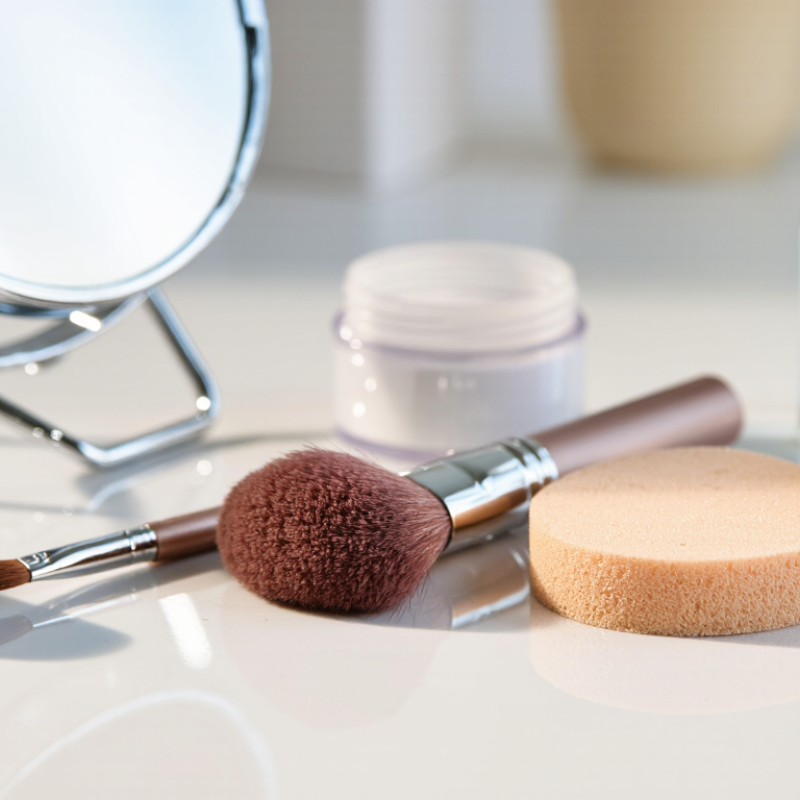
How to Ensure Consistent Quality in Cosmetic Accessories?

Define Quality Standards for Cosmetic Accessories

Defining quality standards for cosmetic accessories starts with a clear description of intended use. A powder brush, compact case, or applicator should have measurable requirements for materials, dimensions, finish, and performance. For example, specify bristle shedding limits, handle strength, closure cycles, surface smoothness, and color tolerance. “Looks premium” is not enough. A reliable standard converts that impression into testable evidence. Based on production experience, I recommend a specification sheet with photographs, approved samples, and acceptance limits.

Material safety should be documented through supplier declarations, incoming inspections, and relevant laboratory tests. Inspectors can check sharp edges, loose parts, odor, stains, and uneven coatings under consistent lighting. Use a sampling plan, but investigate every critical defect. Performance testing should reflect real handling. Open and close cases repeatedly, wash reusable tools, and test packaging after vibration or drops. Record results with batch numbers, dates, equipment, and reviewer names. This creates traceability and supports credible decisions when defects appear.

Standards also need review. A tolerance that worked for one material may fail after humidity changes or supplier adjustments. Teams should compare customer feedback, returns, inspection data, and test results at defined intervals. Do not quietly lower the limit to protect output. That is a tempting mistake. Still, not every variation harms function, so risk-based judgment matters. I have found that unclear wording causes more disputes than visible defects. Terms such as “clean finish” need measurable examples, or inspectors will interpret them differently. Train reviewers with the same samples, and keep failed pieces for calibration.

Select Reliable Materials and Qualified Suppliers

Consistent cosmetic accessories begin with controlled materials, not attractive samples. A brush handle, compact case, or applicator must meet defined standards for color, odor, strength, and skin contact. The 2024 Global Cosmetics Market report from Euromonitor International valued global beauty sales at more than USD 600 billion, increasing pressure on suppliers to scale without weakening quality. Large volumes make small material errors expensive.

Qualified suppliers should provide current specifications, certificates of analysis, safety data, and lot-level traceability. Request samples from several production lots, not one polished prototype. Test surface finish, closure force, abrasion resistance, and compatibility with formulas. For plastics, verify resin grade and recycled content claims through independent documentation. For metal parts, check coating adhesion and corrosion resistance. ISO 22716 principles can strengthen hygiene and production controls, even when the accessory is not a cosmetic formula.

Supplier audits should examine calibration records, operator training, nonconformance handling, and change-control procedures. Set an agreed AQL before production, then inspect incoming goods by lot. The 2023 McKinsey report “Sustainability in Packaging” found that consumers increasingly value packaging recyclability and material responsibility, but quality still shapes repeat purchases. That creates a difficult balance. A lighter component may reduce material use, yet it can feel fragile. I have seen teams approve color samples too quickly. That mistake returns later as peeling, odor, or loose fittings. No scorecard is perfect. Review supplier performance after every shipment, and revise the checklist when real failures expose a blind spot.

Establish Standardized Manufacturing and Inspection Procedures

Consistent cosmetic accessories require repeatable controls, not visual confidence alone. A scratched compact, loose applicator, or uneven coating can quickly damage user trust. Start with approved drawings, material specifications, color standards, and golden samples. Each document needs a revision number, approval date, and responsible owner. The 2023 ISO Survey recorded more than one million ISO 9001 certificates worldwide, showing the broad value of controlled quality systems.

Build checkpoints from incoming materials to final packing. Inspect dimensions with calibrated gauges, surface finish under fixed lighting, and closure force with a torque tester. Use sampling plans aligned with ISO 2859-1. Critical defects should receive zero acceptance. Record lot numbers, operators, equipment, results, and photographs. ISO 22716 also emphasizes documented cosmetic GMP practices, including hygiene, training, and traceability. Make records searchable.

Inspection should continue after shipment. Review AQL results, recurring failures, supplier corrective actions, and retained samples every month. Cosmetics Europe’s 2024 market report valued Europe’s 2023 cosmetics market at approximately €88 billion, so minor quality losses can multiply across large production volumes. Experienced teams should challenge their own procedures. A checklist can still miss a hidden coating flaw. Test samples after temperature changes, vibration, and repeated opening. These steps may slow production slightly. They often prevent expensive rework, unclear complaints, and inconsistent customer experiences.

Conduct Safety, Performance, and Durability Testing

Consistent quality in cosmetic accessories begins with testing that reflects real use. Safety checks should screen skin-contact materials for irritation, restricted substances, sharp edges, loose parts, and surface shedding. The European Commission’s Safety Gate 2023 report recorded 3,412 product alerts, with cosmetics representing 32% of notifications. This figure is not an accessory failure rate, but it signals why traceable material testing matters.

Performance testing should copy the customer’s routine. Test applicators with repeated strokes, wet formulas, cleansing oils, heat, and compression. Measure product pickup, release, comfort, and shape retention. Durability testing can follow suitable methods from ISO 2859-1 for sampling and ASTM D4169 for distribution simulation. Check every production lot, not only the first samples. A perfect laboratory pass can still miss a humid bathroom or a dropped compact. We need to admit that gap.

Tips: Define pass or fail limits before testing. Keep samples from different batches. Photograph cracks, stains, and bristle loss. Record temperature, cycle count, and test operator. Review complaints monthly, even when numbers look small. Small defects become serious patterns.

Consistent Quality in Cosmetic Accessories

Safety, performance, and durability testing results from a reference quality-control dataset of 120 cosmetic accessories.

The results show the number of samples that passed each testing area. Reviewing all three dimensions helps identify material risks, functional issues, and premature wear before products reach customers.

Monitor Quality Trends and Improve Production Continuously

Consistent cosmetic accessory quality depends on watching patterns, not isolated defects.

A warped compact hinge may signal worn tooling, unstable cooling, or rushed assembly. Track defects by mold, cavity, shift, material lot, and operator. Photograph each failure beside a measurement gauge.

Small details matter.

The ISO Survey 2023 recorded 1,265,216 ISO 9001 certificates worldwide. Certification cannot guarantee flawless accessories, but it supports disciplined process monitoring.

Review weekly data for color deviation, closure force, brush shedding, surface scratches, and packaging damage. Use control charts for measurable features. Set alerts before defects reach customers.

A three-week rise in hinge resistance deserves investigation, even when the rate remains below the formal limit.

Grand View Research estimated the global beauty and personal care market at USD 646.2 billion in 2024.

That scale increases pressure on suppliers to improve speed without weakening consistency. Digital dashboards help, but clean data matters more than attractive screens.

Our first dashboard was too ambitious. That was a mistake.

Start with five critical indicators, then expand after teams trust the readings. Corrective actions should include a named owner, a deadline, and evidence from the next production run.

Review rejected samples physically. Numbers can hide a brittle clasp or uneven bristles.

Continuous improvement becomes credible when trend data changes tooling, training, and inspection frequency.

FAQS

What should be checked before selecting a materials supplier?

Check color, odor, strength, surface finish, and skin-contact suitability. Request current specifications, safety documents, and lot-level traceability. Samples from one polished prototype are not enough.

How can a supplier’s consistency be verified?

Request samples from several production lots. Compare closure force, abrasion resistance, coating adhesion, and formula compatibility. Review calibration records, staff training, and change-control procedures.

What testing is important for cosmetic accessories?

Test for irritation, restricted substances, sharp edges, loose parts, and surface shedding. Examine product pickup, release, comfort, and shape retention. Test real routines.

How should durability testing reflect customer use?

Use repeated strokes, wet formulas, cleansing oils, heat, compression, and drops. Include humid bathroom conditions and distribution simulation. A perfect laboratory pass can still miss daily wear.

How can incoming goods be inspected effectively?

Set acceptance limits before production begins. Inspect every incoming lot using a defined sampling plan. Keep samples from different batches and photograph cracks, stains, and bristle loss.

Which quality trends deserve early investigation?

Track color deviation, closure force, scratches, brush shedding, and packaging damage. Also compare defects by mold, cavity, shift, material lot, and operator. Small defects grow.

What should a useful quality dashboard include?

Begin with five critical indicators, such as hinge resistance and surface scratches. Add temperature, cycle count, and defect location when the data becomes reliable. Attractive screens cannot repair poor records.

How should teams handle repeated defects?

Assign one owner, a deadline, and evidence from the next production run. Inspect rejected samples physically, not only through percentages. Our first checklist was too broad. That was a mistake.

Conclusion

Ensuring consistent quality in cosmetic accessories requires a structured process that begins with clear, measurable quality standards. These standards should define expectations for materials, appearance, function, cleanliness, packaging, and product safety. Manufacturers should select reliable materials and work with qualified suppliers whose capabilities and quality records can be verified. Standardized production procedures, employee training, and regular inspections can help reduce variation and identify defects at an early stage.

A complete quality program should also include safety, performance, and durability testing under realistic conditions. Inspection results, customer feedback, and production data should be reviewed regularly to identify recurring problems and quality trends. By using these insights to improve equipment, processes, and supplier management, manufacturers can build a more stable production system. In this way, how to ensure consistent quality in cosmetic accessories becomes an ongoing commitment supported by clear standards, careful testing, and continuous improvement.

Aria

Aria

Aria is a dedicated marketing professional with a deep passion for innovative strategies and a keen understanding of our company's product offerings. With a wealth of experience in the industry, Aria excels at crafting engaging content that highlights the unique features and benefits of our......