Choosing the right makeup brushes is crucial for achieving a flawless look. The right tools can elevate your makeup game. However, many struggle with how to choose the right makeup brushes. It can be confusing with all the options available.
Understanding different brush types and their uses is essential. For example, a flat foundation brush provides coverage, while a fluffy brush creates soft blends. Don't underestimate the importance of material. Natural bristles often apply products smoothly, while synthetic brushes are great for liquids and creams.
Many factors come into play when selecting brushes. Consider your makeup routine and desired finish. Test brushes in-store if possible. Reflect on what works best for your skin type and preferences. Remember, even experienced makeup artists still experiment with new brushes. The journey of finding your ideal brushes may take time, but it’s worth it for the perfect application.
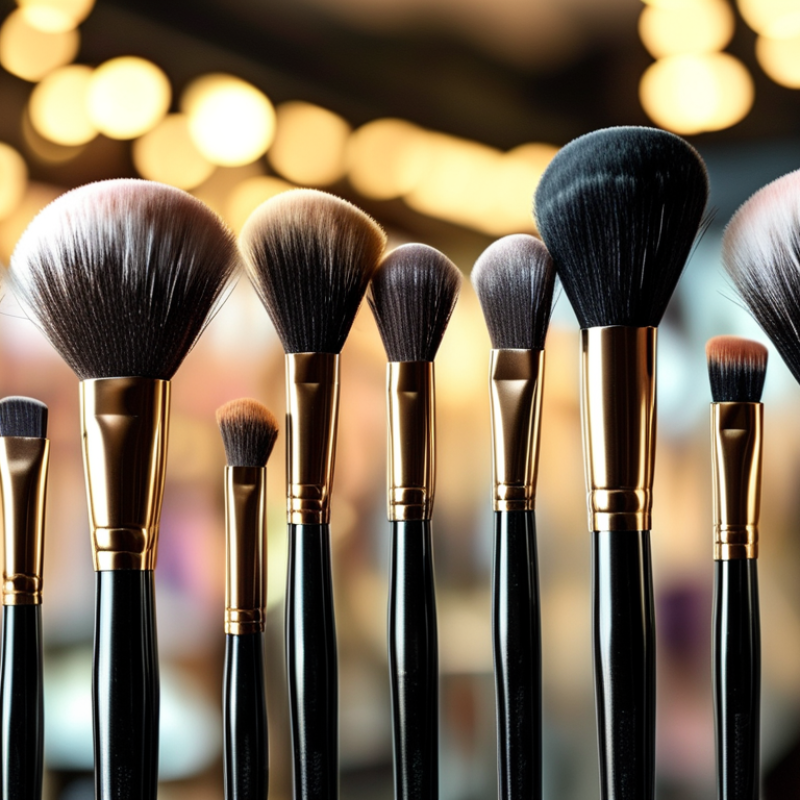
When selecting makeup brushes, understanding the types available is crucial. Each brush serves a specific purpose, impacting the overall finish of your makeup. For instance, foundation brushes can either be flat or tapered. A flat brush provides a heavier coverage, while a tapered brush offers a more natural finish. This decision often comes down to personal preference and skin type.
According to a report by the Professional Beauty Association, using the right tools can enhance the longevity of makeup by up to 30%. This highlights the importance of quality brushes in your beauty routine. Powder brushes, which can vary in density and size, play a key role. A denser brush applies product more densely, creating a bold look. Conversely, a loose powder brush offers a lighter touch, ideal for touch-ups throughout the day.
Cleaning these brushes regularly is often neglected, yet it is essential for maintaining skin health. Duty-bound to wash brushes with proper cleanser, beauty enthusiasts can prevent breakouts. Surveys indicate that 70% of users forget to clean their brushes. This oversight can affect makeup application and skin integrity. Therefore, selecting the right brushes paired with consistent maintenance ensures a flawless finish.
Choosing makeup brushes can feel overwhelming. The right brush can elevate your makeup game, but not all brushes suit every need. Consider the bristle material. Natural fibers tend to hold product well but may be less hygienic. Synthetic fibers, however, are easier to clean and more versatile.
Think about the shape and size of the brush. A wide brush is great for applying foundation, while a smaller brush is perfect for blending. The handle length is also essential. A longer handle provides more control for detailed work, but can feel unwieldy for beginners. Reflect on your application style and comfort level to make the right choice.
Don’t forget to factor in your budget. High-end brushes often promise quality but can break the bank. Affordable brushes can perform well if you do some research. Pay attention to user reviews and testimonials. They can reveal insights into how brushes work in real life, helping you make informed choices. Balance quality, functionality, and price to find your ideal tools.
Choosing the right makeup brushes hinges significantly on bristle materials. There are two primary options: natural and synthetic bristles. Natural bristles come from animal hair, while synthetic bristles are man-made. Each has its unique advantages and disadvantages.
Natural bristles excel in picking up and blending powder products. They have a fine, soft texture that mirrors natural hair, offering a flawless finish. According to a 2022 industry report, nearly 60% of professional makeup artists prefer natural brushes for their superior blending capacity. However, they may not perform as well with cream or liquid products, leading to potential streaking.
On the other hand, synthetic brushes have become increasingly popular. They are hypoallergenic and easy to clean, making them ideal for those with sensitive skin. A recent survey found that 40% of users felt synthetic brushes provided better application for liquid foundations. Some users, however, report that high-quality synthetic brushes can feel too stiff, which may affect application techniques. Reflecting on these aspects informs a more tailored choice for your makeup application needs.
Choosing the right makeup brush size and shape is crucial for achieving flawless application. Different brushes serve different purposes, and understanding their unique designs is key. For example, a flat foundation brush provides even coverage, while a dense, rounded brush is excellent for blending. The shape of the bristles can significantly affect the outcome of your makeup application.
Consider the area you’re working on. Smaller brushes, such as those for the eyes, allow for precision. They help apply eyeshadow and eyeliner with accuracy. Larger brushes, in contrast, are ideal for applying powder or bronzer to the face. The right brush can enhance the desired effect while wrong choices can lead to uneven texture or unintended marks.
It's easy to overlook how brush size impacts your technique. A too-big brush can lead to messy application, while a too-small brush can waste product. Reflect on your experience—did you ever feel like your makeup didn’t turn out as expected? It may have been the tool choice. Learning to choose the right brush takes time and practice. Embrace the process and notice how each brush shapes your overall look.
Maintaining and cleaning your makeup brushes is crucial for their longevity and your skin's health. Dirty brushes can harbor bacteria, leading to breakouts and irritation. It’s important to create a regular cleaning routine. Ideally, brushes should be cleaned once a week. But it's easy to forget or neglect this task. A simple solution is to use a gentle soap or brush cleaner.
Tips: Use lukewarm water and avoid soaking the handles. Hold the brush bristles down to prevent water from seeping into the ferrule. This could loosen the glue holding the bristles and ruin your brush. After washing, reshape the bristles and lay them flat to dry.
It’s also helpful to disinfect brushes occasionally. Mix one part vinegar with three parts water in a spray bottle. Lightly spritz your brushes, then wipe them on a clean cloth. This step helps remove stubborn bacteria. Some may find this tedious, but your skin will thank you.
Tips: Pay close attention to the brushes that you use for liquid makeup. They tend to accumulate more product and need extra care. Make note of which brushes seem to hold onto makeup residue. Reflect on your cleaning technique and be ready to adapt. Regular maintenance, despite being time-consuming, ensures flawless application.
| Brush Type | Best For | Cleaning Method | Frequency of Cleaning |
|---|---|---|---|
| Foundation Brush | Liquid or Cream Foundation | Soap and Water or Brush Cleaner | Every 1-2 weeks |
| Blush Brush | Powder Blush | Soap and Water | Every 1-2 weeks |
| Eyeshadow Brush | Powder Eyeshadow | Alcohol-Free Brush Cleaner | Weekly |
| Lip Brush | Lipstick | Soap and Water | After Each Use |
| Concealer Brush | Cream Concealer | Brush Cleaner or Soap | Every Week |
: The right brush enhances your makeup's finish and longevity, affecting overall appearance.
Brush shape influences coverage; flat brushes create even layers, while rounded brushes blend well.
Smaller brushes allow for precision in small areas, while larger brushes cover more surface area effectively.
Ideally, clean your brushes once a week to prevent bacteria and maintain skin health.
Use lukewarm water and mild soap, avoiding soaking handles to prevent damage.
Mix one part vinegar with three parts water, spritz, and wipe on a clean cloth.
Neglecting cleaning can lead to breakouts and irritations, affecting makeup application and skin health.
Yes, too-large brushes can create messiness, while too-small ones waste product and lead to unevenness.
Pay extra attention to those brushes and adjust your cleaning technique as needed.
Some may find it tedious, but regular maintenance is crucial for improved application and skin health.
Choosing the right makeup brushes is essential for achieving a flawless application. Understanding the different types of brushes and their specific uses is the first step in selecting the right tools for your makeup routine. Consider factors such as bristle material—natural versus synthetic—as each has its own benefits depending on the product being applied. Additionally, the size and shape of the brush play a crucial role in ensuring precision and effectiveness in application.
To maintain the longevity of your brushes, regular cleaning and proper storage are vital. Learning how to choose the right makeup brushes not only enhances your makeup application but also ensures that your tools remain in good condition over time. Armed with this knowledge, you can confidently select brushes that will elevate your beauty routine.

Exio Beauty