Choosing private label beauty products for profit requires more than attractive packaging and a low supplier quote. It demands practical research, careful testing, and a clear understanding of customer needs. A successful product should solve a visible problem, fit a specific audience, and support a realistic retail price.
Many new brands ask, “what are the benefits of private label beauty products” before checking the risks. Private labeling can shorten development time and reduce initial formulation costs. It may also help retailers build a recognizable identity. However, margins can disappear through high minimum orders, expensive freight, weak packaging, or slow inventory turnover. Numbers matter.
Start with products that are easy to explain, such as a fragrance-free cleanser or a lightweight facial serum. Request full ingredient lists, safety documents, stability information, and responsible manufacturing evidence. Review claims with qualified cosmetic professionals when necessary. Check whether the supplier follows applicable quality standards and labeling rules in each target market. Never depend only on attractive samples. A cream may feel smooth on day one but separate after weeks of heat exposure.
Customer feedback is useful, though it is not perfect. Test small batches with real users and record texture, scent, irritation concerns, and repurchase interest. Then compare those findings with your cost model. Experienced founders often discover that their first product idea needs revision. That is normal. Profit comes from disciplined choices, reliable partners, and consistent quality—not from copying a popular product and hoping for quick sales.
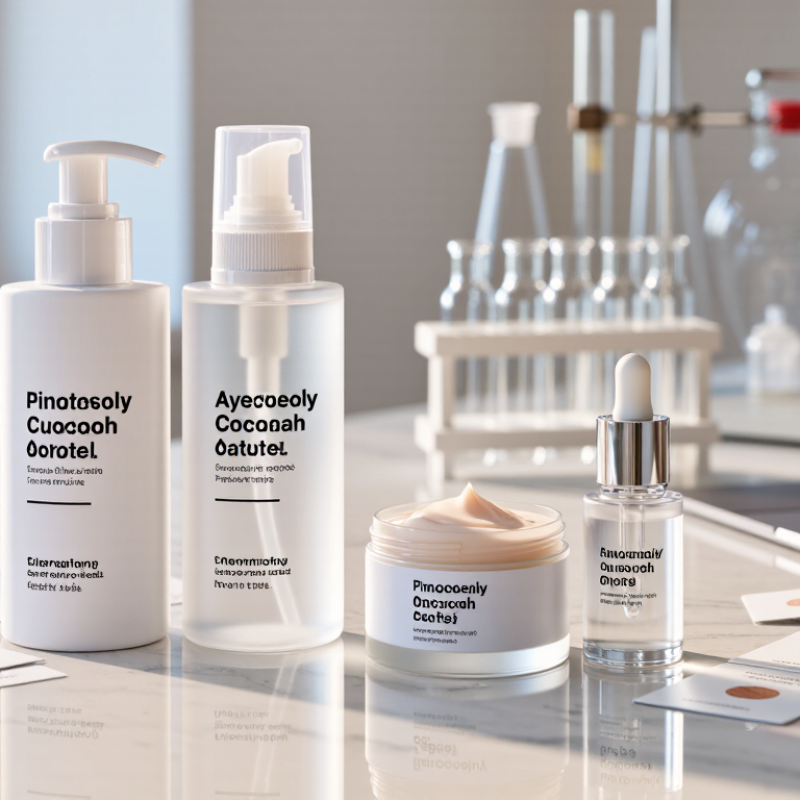
Choosing private label beauty products for profit starts with a precise customer picture. “Everyone who uses skincare” is not a market. Define age, routine, budget, concerns, climate, and shopping habits. I often begin with ten customer interviews and a simple survey. Ask what they buy, why they switch, and what feels overpriced. Their bathroom shelves reveal more than broad trend reports. A useful persona might be a busy professional seeking fragrance-free hand cream under $18. Small details guide product texture, size, packaging, and price.
Then test niches with evidence, not excitement. Look for repeated search interest, manageable competition, healthy gross margins, and products that solve a clear problem. Body care, scalp care, sensitive-skin routines, and travel-friendly formats may offer focused opportunities. They still require careful validation. Request ingredient documentation, stability data, safety assessments, and sample batches from qualified manufacturers. Check whether product claims can be supported in your selling markets. A beautiful label cannot repair weak performance. Start with one hero product, calculate fulfillment and returns, and protect room for testing and customer support.
My early research was too optimistic. I treated social engagement as purchase intent and ordered more inventory than the evidence justified. That mistake taught me to run a small pilot first. Measure repeat purchases, complaint themes, conversion rate, and actual contribution margin. Listen closely. Profitability is not only a high selling price; it depends on trust, consistency, and controlled costs. Leave space to revise the formula or positioning when customers respond differently than expected. A niche may look modest, yet loyal buyers can create stronger economics than a crowded trend.
Request samples from several batches. Check texture, scent, fill weight, and packaging strength. Test them after heat, light, and repeated opening. A cream should not separate in a warm room. Small defects become expensive returns.
Request current test reports, allergen information, microbial results, stability data, and traceable batch records. Confirm who performed each test. Check the testing date and sample details. Do not accept copied or unexplained documents. Keep your own records.
Review communication, production controls, minimum order quantities, lead times, and correction policies. Request a factory profile, quality certificates, and production photos. Ask for a written complaint process. Honest explanations matter more than polished sales language.
Visit when practical, or arrange an independent audit. Look for clear records, clean work areas, and consistent procedures. Notice how staff discuss failures. Avoid rushed decisions. I once trusted confident promises too quickly.
Measure fill weight, label accuracy, leakage, delivery condition, and customer feedback. Use dated samples for comparison. Check whether the package feels comfortable in one hand. Premium appearance can still hide awkward use.
Add formulation, filling, packaging, freight, testing, platform fees, fulfillment, returns, and advertising. For one example, total variable cost may reach $9.80. At a $24 price, contribution profit is $14.20. This is only a forecast.
Treat early advertising estimates as uncertain. Test three price points with small budgets. Recalculate weekly using conversion, refunds, shipping, and repeat purchases. Keep a 10% reserve for damage or delays. Spreadsheets can look too confident.
Choose one focused product, such as a gentle cleanser or tinted balm. Create a small landing page and waitlist. Track sign-ups, questions, and abandoned checkouts. Sell a limited batch through one or two channels. Compliments are weak evidence.
Set a reorder point before demand rises. Confirm ingredient records and product documentation again. Keep packaging easy to revise. Test regular pricing, not only discounts. Growth is useful only when customers return and margins remain realistic.
Choosing private label beauty products for profit starts with a clear understanding of your target customers and the beauty niches they are most likely to purchase. Research customer needs, spending habits, and emerging preferences to identify products with strong demand and manageable competition. Then, assess suppliers carefully by reviewing ingredient quality, manufacturing standards, product safety, certifications, minimum order quantities, and communication reliability. These steps help answer the question, “what are the benefits of private label beauty products,” including greater control over product presentation, pricing, and customer experience.
A profitable strategy also requires detailed cost and margin calculations covering production, packaging, shipping, marketing, and other operating expenses. Build a distinctive brand identity with practical packaging and positioning that clearly communicates the product’s value. Before expanding, test demand through limited releases, customer feedback, and small-scale sales campaigns. Use the results to refine formulas, pricing, messaging, and distribution channels, then develop a scalable sales plan based on measurable performance and sustainable profit potential.

 Exio Beauty