How to Choose Makeup Brushes and What Are They Made Of?

Time:2026-10-18 Author:Mason
0%

Choosing makeup brushes begins with a practical question: what are makeup brushes made of? The answer affects application, durability, hygiene, and comfort. Most brushes combine bristles, a ferrule, and a handle. Bristles may use synthetic nylon, polyester, natural animal hair, or blended fibers. The ferrule is commonly aluminum or another lightweight metal. Handles often use wood, plastic, or coated recycled materials.

“ A brush is an extension of your hand,” says Rae Morris, an Australian makeup artist and brush designer. Her observation explains why material choice matters. Soft synthetic fibers can spread liquid foundation smoothly across the cheeks. Firm fibers can press concealer beside the nose. Natural hair often carries powder beautifully, but its performance varies. It may also require gentler cleaning and more careful storage.

Texture tells you a lot.

Do not judge a brush by softness alone. A very soft brush can lose shape during blending. A dense brush may leave visible streaks if used too firmly. I have also found that attractive handles do not guarantee better performance. That assumption needs questioning. Look at the fiber tips, spacing, stitching, ferrule security, and cleaning instructions. For cream and liquid products, synthetic fibers are usually the more practical choice. They absorb less product and clean more easily. For powders, both natural and synthetic options can work well. The best choice depends on your skin, products, technique, and maintenance habits. This guide examines each material closely, so you can choose brushes with evidence rather than attractive packaging alone.
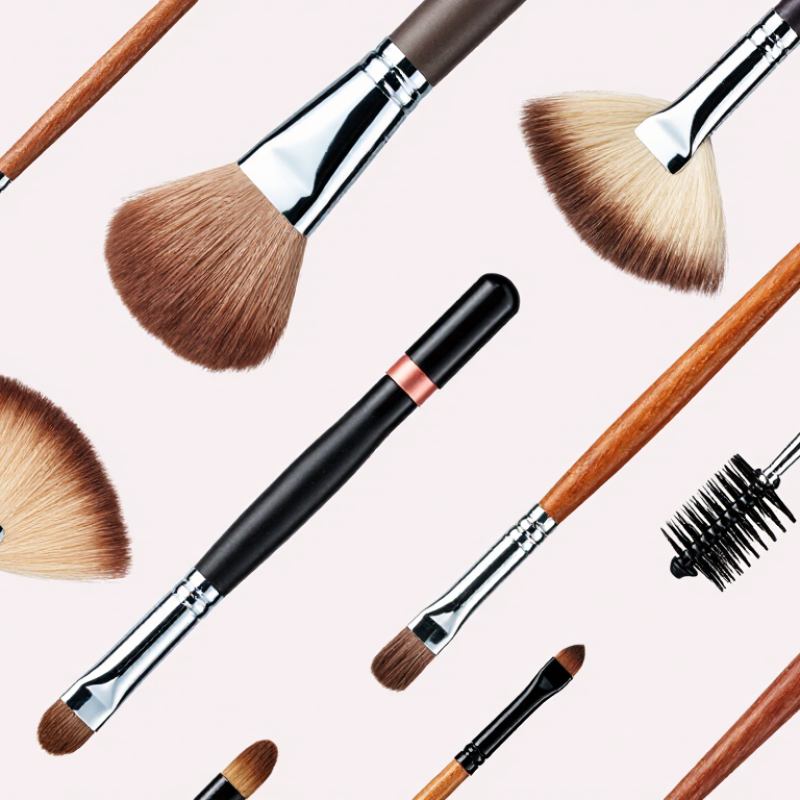
How to Choose Makeup Brushes and What Are They Made Of?

What Are Makeup Brushes and Why Do They Matter?

Makeup brushes are tools designed to place, blend, and soften cosmetic products on the skin. They usually have three parts: bristles, a metal or plastic ferrule, and a handle. Bristles may be synthetic fibers or natural animal hair, although synthetic options are common for liquid and cream products. The fiber shape, density, and length affect how much product a brush picks up. A flat brush presses color onto the eyelid, while a rounded brush diffuses edges around the crease.

Brushes matter because application changes the final appearance of makeup. A dense brush can create stronger coverage on the cheeks, but it may leave too much product in one area. A loose brush spreads powder more lightly. Soft, but not always better. Extremely soft fibers may struggle with thick formulas, while firmer fibers can irritate sensitive skin if used aggressively. I have found that control often matters more than luxury materials.

Cleanliness also affects performance and skin comfort. Product buildup can make bristles stiff, uneven, and harder to blend. Wash frequently used brushes with mild cleanser, rinse the fibers downward, and let them dry flat. Do not soak the ferrule, because trapped water can weaken the glue. Personal experience is useful, but it is not perfect evidence; skin type, pressure, and product texture change the result. A brush that works beautifully for one person may feel awkward for another.

How to Choose Makeup Brushes and What Are They Made Of? - What Are Makeup Brushes and Why Do They Matter?

Brush Type Primary Use Typical Shape Common Bristle Material Best Product Formula Selection Tip
Foundation Brush Applies and blends liquid or cream foundation. Flat, rounded, or dense buffing head. Synthetic fibers are commonly preferred. Liquid, cream, and stick formulas. Choose dense, flexible fibers for even coverage without visible streaks.
Concealer Brush Targets blemishes, redness, and under-eye areas. Small, tapered, or flat rounded head. Synthetic fibers. Liquid and cream concealer. A narrow tip offers precision; a softer rounded head blends larger areas.
Powder Brush Applies setting powder or lightly diffuses face products. Large, rounded, and loosely packed. Natural hair or soft synthetic fibers. Loose and pressed powder. Look for a fluffy head that distributes powder without heavy buildup.
Blush Brush Places and blends color on the cheeks. Medium-sized, rounded, angled, or tapered. Natural hair or synthetic fibers. Powder, cream, or liquid blush. Choose a smaller head for precision and a tapered shape for controlled blending.
Contour Brush Defines cheekbones, jawline, and sides of the nose. Angled, tapered, or narrow. Synthetic fibers or firm natural hair. Powder and cream contour. A slightly firm angled head helps create a clean shadow while remaining blendable.
Highlighter Brush Applies light-reflecting product to high points of the face. Tapered, fan-shaped, or small rounded head. Soft natural hair or synthetic fibers. Powder and cream highlighter. Select a soft, less-dense brush to build a subtle glow gradually.
Blending Eyeshadow Brush Softens edges and blends transitions in the crease. Rounded, tapered, and fluffy. Natural hair or soft synthetic fibers. Powder eyeshadow. A flexible, airy head blends color more smoothly than a stiff, tightly packed head.
Eyeshadow Shader Brush Packs pigment onto the eyelid. Flat, compact, and rounded at the edge. Natural hair or synthetic fibers. Powder, cream, and shimmer formulas. Choose a dense, firm head when stronger color payoff is needed.
Angled Liner Brush Creates precise lines along the lash line or shapes brows. Very thin, flat, and diagonally angled. Firm synthetic fibers. Gel, cream, powder, and brow products. The edge should hold its shape and remain fine enough for controlled strokes.
Lip Brush Defines the lip line and applies lipstick evenly. Small, flat, and tapered. Synthetic fibers. Lipstick, gloss, and lip cream. A firm tapered tip improves accuracy around the cupid’s bow and corners.
Brow Spoolie Separates, shapes, and grooms eyebrow hairs. Spiral brush head. Nylon or other synthetic bristles. Brow gel, pencil, powder, or wax. Use a clean spoolie to distribute product and remove excess pigment.
Why Brushes Matter
The shape, density, flexibility, and material of a brush affect coverage, blending, precision, and the final texture of makeup.
Synthetic Bristles
Synthetic fibers are typically non-porous, easy to clean, and well suited to liquid and cream products.
Natural Hair
Natural hair can provide a soft, flexible feel and is often used for diffusing powder products.
Basic Care
Clean brushes regularly with mild cleanser, rinse with the bristles pointing downward, reshape, and dry flat or with the brush head slightly over the edge.

Which Makeup Brush Shapes and Types Fit Each Cosmetic?

Choosing a makeup brush starts with the cosmetic’s texture and the finish you want. A brush is not just a tool; its shape controls placement, blending, and pressure.

For foundation, a flat-top or rounded buffing brush spreads liquid formulas evenly across cheeks and the forehead. Use small circular motions, then press lightly around the nose. Dense synthetic bristles usually work well with creams and liquids because they absorb less product and clean easily.

For concealer, choose a small tapered brush. Its pointed tip can reach beside the nostrils, while its wider base softens edges beneath the eyes. Too much pressure can move the product away.

I still make that mistake.

Powder needs a different structure. A large, fluffy brush applies setting powder lightly, while a smaller dome shape adds precision around the eyes. An angled brush fits blush and bronzer along the cheekbone, but a softer head prevents harsh stripes.

For highlighter, use a fan or small tapered brush on the cheekbones. Cream blush often looks more natural with a compact duo-fiber brush or clean fingertips.

Flat shader brushes place eyeshadow; fluffy crease brushes blend it. Short, firm bristles create stronger color. Long bristles create gentler transitions.

Clean tools matter. Wash them regularly and let them dry fully.

Natural hair can feel soft with powder, while synthetic fibers offer consistent shape and easier hygiene. Check shedding and uneven tips before buying. Shape matters more than appearance, although appearance can mislead.

How Do Natural and Synthetic Brush Materials Differ?

Choosing makeup brushes starts with understanding their fibers. Natural hair has a textured cuticle, so it can pick up powder and release it gradually. This creates a soft, diffused finish on cheeks and eyelids. It often feels warm and flexible against the skin. However, natural fibers may absorb oils and require careful washing. They can also vary in softness, even within the same brush type.

Synthetic filaments are usually smoother and more uniform. They work well with liquid foundation, concealer, and cream blush because they absorb less product. A dense synthetic brush can spread makeup evenly across the nose and jawline. It also dries faster after cleaning. Yet, “synthetic” does not always mean softer or better. Some fibers feel stiff, while others split at the tips after repeated washing.

I test a brush by pressing it lightly against my inner wrist. It should bend without scratching. Then I check whether the handle stays balanced during small, circular movements. My preference has changed over time. Natural brushes once felt more luxurious, but synthetic brushes now suit my sensitive skin and quicker routine. That choice is not universal. People with allergies, oily skin, or strict hygiene routines may value different features. Wash brushes regularly with mild cleanser, rinse downward, and dry them flat. Never ignore a rough texture. It may signal damaged fibers or product buildup.

What Features Should You Check Before Choosing a Brush?

Choosing a makeup brush should begin with its practical features, not its appearance. In my experience, the bristle feel matters most. Synthetic fibers usually offer smooth application and easier cleaning. Natural hair can hold powder beautifully, but its texture varies and may require gentler care. Run the brush across your wrist. It should feel soft, never sharp or scratchy.

Check the brush shape and density for its intended task. A loosely packed, rounded brush can blend powder without leaving harsh edges. A firm, angled brush gives better control around the nose and cheekbones. For liquid products, look for closely packed fibers that do not absorb too much product. Check the ferrule. It should sit firmly between the handle and bristles, without rattling or showing gaps. Feel the edge.

The handle also affects control, especially during detailed application. A balanced handle can reduce pressure on your fingers and improve precision. Inspect the tips for uneven trimming, loose fibers, or a strong chemical smell. I once chose a brush because it looked luxurious, but it shed after two washes. That judgment was wrong. Washability matters, so follow the maker’s care instructions and dry brushes with the bristles pointing downward. If you have sensitive skin, test a clean brush on a small area first. No single material suits everyone, and even an expert’s favorite can disappoint on another person’s skin.

How Should Makeup Brushes Be Used, Cleaned, and Stored?

A makeup brush’s material affects how it should be used and maintained. Synthetic fibers usually work well with liquid or cream products. Natural hair can feel softer with powder textures. I have found that a dense brush spreads foundation evenly, while a loose brush creates a lighter finish. Use gentle pressure. Pressing too hard can irritate skin and bend the bristles.

Clean brushes regularly, especially those used around the eyes or with wet products. Wipe away leftover makeup after use with a clean tissue. For deeper cleaning, use lukewarm water and a mild cleanser. Wet the bristles from the sides, not directly into the handle. Do not soak the whole brush. Water can loosen the glue inside the ferrule. Rinse until the water runs clear, then squeeze gently with a clean towel.

Lay brushes flat to dry, with the bristles extending beyond the counter’s edge. Avoid direct heat, since it may weaken synthetic fibers or crack the handle. Store dry brushes in a clean, ventilated container. Keep them away from damp bathrooms when possible. Do not pack them tightly together. I once stored a damp brush upright, and its bristles dried unevenly. That mistake was avoidable. If a brush develops a persistent odor, shedding, or rough patches, replace it. Even careful cleaning cannot restore every damaged brush.

FAQS

Which brush shape works best for liquid foundation?

Choose a flat-top or rounded buffing brush with dense synthetic bristles. Use small circles across the cheeks and forehead. Press lightly around the nose.

What brush should I use for concealer?

A small tapered brush reaches beside the nostrils and beneath the eyes. Its wider base softens visible edges. Too much pressure can remove the product.

How should powder products be applied?

Use a large, fluffy brush for light setting powder. A smaller dome brush gives better control around the eyes. Keep the pressure gentle.

Which brush suits blush, bronzer, and highlighter?

An angled brush follows the cheekbone for blush or bronzer. A soft head prevents obvious stripes. Use a fan or small tapered brush for highlighter.

Can cream blush be applied without a brush?

Yes, clean fingertips can create a natural finish. A compact duo-fiber brush also blends cream blush well. Clean hands matter.

What is the difference between natural and synthetic fibers?

Natural hair picks up powder well and releases it gradually. Synthetic fibers absorb less liquid and usually dry faster. Neither material is perfect.

How can I test a brush before buying it?

Press it lightly against your inner wrist. It should bend without scratching. Check the ferrule for gaps, rattling, or looseness.

How should makeup brushes be cleaned and dried?

Wash them regularly with a mild cleanser. Rinse with the bristles pointing downward, then dry them flat. Never store them wet.

What warning signs suggest poor brush quality?

Watch for shedding, uneven tips, loose fibers, or a strong chemical smell. A brush may look luxurious and still fail after two washes. I learned that poorly.

Conclusion

Makeup brushes are essential tools for applying, blending, and defining cosmetics with greater control and precision. Their shape, size, density, and flexibility determine how well they work with products such as foundation, concealer, powder, blush, eyeshadow, and eyeliner. When asking “what are makeup brushes made of,” the answer usually includes either natural animal hair or synthetic fibers, along with materials such as wood, metal, or plastic for the handle and ferrule. Natural bristles can provide a soft, diffused finish, while synthetic fibers are often smooth, durable, and suitable for liquid or cream formulas.

When choosing a brush, consider its purpose, comfort, balance, shedding resistance, and ease of cleaning. Rounded, flat, angled, tapered, and small detail shapes each support different application techniques. To maintain performance and hygiene, wash brushes regularly with a gentle cleanser, rinse them thoroughly, reshape the bristles, and dry them flat. Store clean brushes in a dry, ventilated container, protecting them from dust and moisture.

Mason

Mason

Mason is a seasoned marketing professional with a deep expertise in the company's offerings and a passion for driving brand awareness. With a strong background in digital marketing strategies, he has an innate ability to connect with diverse audiences and effectively communicate product benefits.......