The cosmetic brush industry has seen significant growth, driven by increasing consumer demand for high-quality makeup tools. According to recent market research, the global cosmetic brush market is expected to reach $10 billion by 2025. This surge raises an essential question: what materials are used in cosmetic brushes? Understanding these materials can help consumers make informed choices.
Most cosmetic brushes are crafted from a variety of materials, including synthetic fibers and natural hair. The choice of material influences not only the application but also the longevity of the brush. For instance, brushes made with high-quality synthetic fibers are often preferred for their cruelty-free nature and ease of cleaning. However, natural hair brushes can offer superior performance in blending and application, revealing the complexity behind material selection.
As the industry evolves, consumers face the challenge of navigating various options. Not all brushes meet the same standards of quality. Some lower-cost brushes may not perform well, leading to dissatisfaction. It's crucial for consumers to research and consider what materials are used in cosmetic brushes before making a purchase. This helps ensure they invest in tools that enhance their beauty experience.
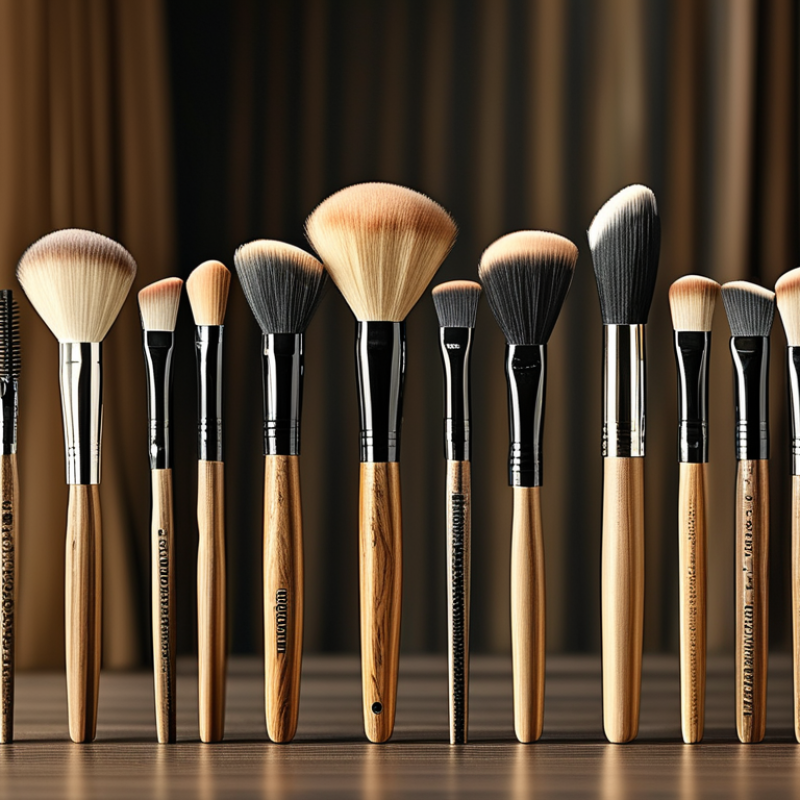
Overview of Cosmetic Brush Materials Used in China
In the vibrant world of cosmetics, brushes play a crucial role. In China, a variety of materials are used to create these essential tools. The most common materials include synthetic fibers and natural hairs. Synthetic fibers, often made from nylon or polyester, are praised for their durability and ease of cleaning. However, they may lack the softness of natural hairs.
Natural hair brushes, made from materials such as pony, squirrel, or goat hair, offer a luxurious feel and blend makeup smoothly. Yet, the sourcing of these materials raises ethical concerns. The preference for cruelty-free products is growing. Consumers are becoming more aware of where materials come from. Some brushes combine both synthetic and natural hairs to balance softness and functionality.
Every brush has its unique texture and purpose. For instance, a flat brush works best for foundations, while a fluffy brush is ideal for blending. However, finding the right brush can be challenging. Some users may experience issues with brush shedding or uneven application. The importance of quality cannot be overstated. Investing in the right materials ensures better application and a longer-lasting product.
Top Synthetic Materials for Cosmetic Brushes
When it comes to cosmetic brushes, the materials used can make a significant impact on application and longevity. Top synthetic materials stand out for their versatility and effectiveness. One popular option is Taklon, a type of nylon that mimics natural hair. It's soft, durable, and works well with both liquid and powder products. Moreover, Taklon is hypoallergenic, making it suitable for sensitive skin.
Another noteworthy synthetic material is PBT (Polybutylene Terephthalate). This material has excellent resilience and maintains its shape over time. Brushes made from PBT often have a smooth finish, which ensures an even application. Additionally, these brushes can easily be cleaned, maintaining hygiene without sacrificing quality.
While synthetic materials offer many advantages, there are some drawbacks. They might not replicate the softness of natural hair perfectly. Some users feel that this can affect the blending experience. It's essential to test different brushes to determine what works best for individual preferences. Finding the right balance between performance and comfort can take time and experimentation.
Top 10 Materials Used in Cosmetic Brushes
This chart illustrates the distribution of commonly used materials for cosmetic brushes. Synthetic options like Nylon and Taklon are favored due to their durability and ease of cleaning, while natural hair remains popular for certain brush types.
Natural Hair Options and Their Benefits
Natural hair brushes have distinct advantages in cosmetic applications that make them a favored choice among professionals. These brushes often use animal hairs such as sable, squirrel, or pony, which can provide superior performance. Each type of natural hair offers unique attributes; for instance, sable hair is known for its softness and ability to hold pigment well, while squirrel hair is more absorbent. According to industry reports, 70% of professional makeup artists prefer natural hair brushes for their blendability and ease of application.
However, the sourcing of natural hair raises ethical considerations. The beauty industry faces growing scrutiny regarding animal welfare. As consumers become more conscious, some brands are pivoting towards sustainable sourcing practices. A recent survey shows that over 60% of consumers seek cruelty-free alternatives. This shift may influence materials used in future cosmetic brush production. Additionally, while natural hair can be more effective for certain products, it may require more meticulous care to maintain its quality.
Not all brushes labeled as "natural" deliver the same performance. Variations in quality, processing, and production can impact user experience. A report pointed out that many consumers find themselves dissatisfied with brushes that do not meet their expectations. Thus, it is crucial for users to research their options thoroughly. Ultimately, the choice of materials can impact both application techniques and overall results.
Durability of Different Brush Materials
When choosing cosmetic brushes, the durability of materials is crucial. Different fibers, whether synthetic or natural, greatly impact brush longevity. For example, natural hair brushes, like sable or goat, often provide a soft touch. However, they may wear out faster than synthetic options.
Synthetic brushes tend to be more resilient. They resist damage from makeup products and are often easier to clean. This can save time and enhance their lifespan. However, they may not deliver the same finish as natural bristles.
**Tips:** Always consider the intended use of the brushes. For heavy-duty applications, opt for synthetic brushes for durability. Inspect the brush fibers regularly for wear and tear. If they start to fray, it may be time for a replacement. Remember, investing in quality can make a significant difference in performance.
Sustainability Trends in Cosmetic Brush Production
Sustainability in cosmetic brush production has become a key focus in recent years. Manufacturers are increasingly turning to eco-friendly materials. Reports indicate that around 80% of consumers now prefer sustainable products. This shift is forcing brands to rethink their sourcing strategies.
Natural fibers, such as bamboo and vegan alternatives, are gaining popularity. Bamboo, for instance, grows quickly and absorbs carbon effectively. Meanwhile, synthetic fibers made from recycled plastics are making a splash as well. These innovations aim to reduce waste and promote a circular economy.
However, challenges remain. Many brushes still rely on non-biodegradable materials. The lack of industry standards complicates things. According to a recent survey, about 65% of industry players say sustainability is a priority. Yet, only a minority has implemented concrete actions. The journey toward fully sustainable production in the cosmetic brush sector is ongoing.
China Top 10 Materials Used in Cosmetic Brushes
| Material |
Sustainability Factor |
Usage Rate (%) |
Main Advantages |
| Synthetic Fibers |
Low carbon footprint, recyclable |
40% |
Durable, water-resistant |
| Natural Hair |
Sourced sustainably from animals |
30% |
Soft, good for blending |
| Recycled Materials |
Highly sustainable |
10% |
Environmentally friendly |
| Wood Handles |
Sustainable forestry practices |
8% |
Eco-friendly aesthetic |
| Biodegradable Plastics |
Breaks down naturally |
5% |
Reduced environmental impact |
| Vegan Materials |
Cruelty-free |
3% |
Ethical sourcing |
| Bamboo |
Renewable resource |
2% |
Strong, lightweight |
| Natural Rubber |
Sustainable latex source |
1% |
Flexibility and grip |
| Aluminum |
Recyclable material |
1% |
Lightweight and strong |
| Glass |
Fully recyclable |
1% |
Premium feel |
FAQS
: Brush materials greatly impact their lifespan. Natural hair brushes may wear out faster than synthetic ones.
Synthetic brushes are generally more resilient. They resist damage from makeup products and are easier to clean.
Regularly inspect brush fibers for fraying. If they begin to show wear, it may be time to replace them.
Eco-friendly materials like bamboo and vegan options are gaining traction. They help reduce waste and promote sustainability.
Around 80% of consumers prefer sustainable options. This demand influences manufacturers to change their sourcing strategies.
Yes, many brushes still use non-biodegradable materials. Industry standards for sustainability are lacking.
Yes, investing in quality brushes can significantly enhance performance and longevity.
Synthetic brushes may not achieve the same finish as natural bristles. This is a trade-off some may find disappointing.
Conclusion
This article provides an insightful overview of what materials are used in cosmetic brushes, specifically focusing on the top ten materials commonly found in China. It explores both synthetic and natural hair options, highlighting the benefits and applications of each. Synthetic materials, such as nylon and polyester, are praised for their durability and ease of cleaning, making them popular choices among many consumers.
Natural hair options, including those derived from goat, pony, and sable hair, are noted for their superior blendability and softness, appealing to makeup artists and enthusiasts alike. Additionally, the article discusses the durability of various brush materials and emphasizes the growing sustainability trends in cosmetic brush production, encouraging eco-friendly practices in the beauty industry. Overall, understanding these materials helps consumers make informed choices when selecting their cosmetic brushes.

 Exio Beauty