In recent years, the debate surrounding makeup brush materials has intensified. The question, "are synthetic makeup brushes better than natural hair?" remains a focal point for beauty enthusiasts and professionals alike. According to a report by Statista, the global cosmetic brush market is projected to reach $5.5 billion by 2025, highlighting the growing interest in both synthetic and natural options.
Industry expert Dr. Emily Rogers, a leading cosmetic chemist, emphasizes, "Synthetic brushes offer advantages in hygiene and versatility that natural hair cannot provide." This statement resonates with many who seek high-performance tools in their beauty routines. Synthetic fibers often repel water, making them ideal for liquid products, whereas natural hair can absorb moisture, leading to uneven application.
While natural hair brushes have long been favored for their softness and blendability, there are concerns about ethical sourcing and maintenance. Synthetic brushes, made from materials like nylon and polyester, are often more durable and easier to clean. Yet, the subjective experience of makeup application varies for each individual. Balancing these factors complicates the decision on which type of brush is truly superior.
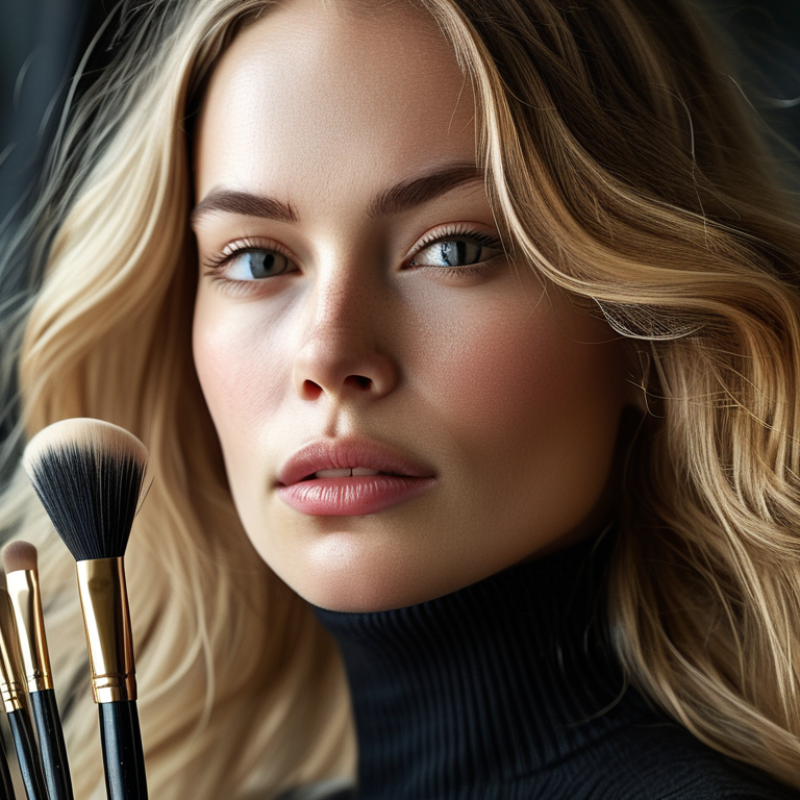
Comparison of Synthetic and Natural Hair Makeup Brushes
When comparing synthetic and natural hair makeup brushes, multiple factors come into play.
Synthetic brushes are often made from nylon or polyester. They are highly durable and can handle various makeup products with ease. For instance, a study by the Professional Beauty Association noted that 70% of professional makeup artists prefer synthetic brushes for liquid and cream products due to their ability to blend seamlessly.
Natural hair brushes, made from animal fur, provide a different experience. They excel in picking up and dispersing powder products.
According to a report by Research and Markets, about 62% of makeup enthusiasts still gravitate towards these traditional options for their superior softness. However, natural brushes require careful maintenance and may not be suitable for those with ethical concerns regarding animal products.
Yet, both types have their flaws. Synthetic brushes can trap product, leading to buildup and inadequate performance if not cleaned regularly. Meanwhile, natural brushes are more porous, which can lead to bacteria buildup if they are not properly cared for. Each brush type brings unique strengths and weaknesses, making the choice more of a personal preference than a definitive answer.
Advantages of Synthetic Makeup Brushes
Synthetic makeup brushes have gained popularity for several reasons. One main advantage is their durability. Unlike natural hair brushes, synthetic brushes do not shed as easily and can last longer with proper care. This durability makes them a cost-effective option for both makeup enthusiasts and professionals alike.
Another critical benefit is ease of cleaning. Synthetic fibers are often non-porous, making them resistant to bacteria and easier to sanitize. With a simple cleanser, you can ensure your brushes remain hygienic without much hassle. This is especially important for those with sensitive skin or specific skin conditions.
However, there is a common perception that synthetic brushes may lack the soft touch of natural hair. Users often report a different feel on the skin. The texture can seem less luxurious. This raises questions about the quality of application. Finding the right balance between effectiveness and comfort can sometimes be challenging. So, while synthetic brushes have their clear advantages, the preference ultimately depends on individual needs and experiences.
Are Synthetic Makeup Brushes Better Than Natural Hair Brushes? - Advantages of Synthetic Makeup Brushes
| Feature |
Synthetic Brushes |
Natural Hair Brushes |
| Durability |
More durable and less prone to damage |
Can be fragile and lose shape over time |
| Microbial Growth |
Less likely to harbor bacteria |
More susceptible to collecting bacteria |
| Product Versatility |
Ideal for liquid and cream products |
Better for powders and dry cosmetics |
| Cost |
Generally less expensive |
Tend to be more expensive due to sourcing |
| Animal Cruelty |
Cruelty-free, no animal products used |
May involve animal cruelty in sourcing |
| Ease of Cleaning |
Easier to clean and maintain |
Requires more careful cleaning |
Benefits of Natural Hair Makeup Brushes
Natural hair makeup brushes offer several advantages that make them a favorite among professionals. The soft bristles, usually sourced from animal hair, provide a luxurious feel on the skin. This enhances the blending of makeup, giving a seamless finish that synthetic brushes often struggle to achieve. A study from the Journal of Cosmetic Science noted that natural hair brushes absorb oils and pigments, helping to deliver a more natural look.
Natural brushes are versatile for various makeup types. They perform exceptionally well with powder products, as the hair fibers can hold onto the formula better than synthetic alternatives. In fact, many makeup artists assert that natural brushes can last longer when properly maintained. The bristles can be cleaned and reshaped without significant damage, extending their lifespan. However, they do require more care, as they can be prone to matting if not properly stored.
Tips: Clean your brushes regularly to maintain performance. Use gentle cleansers to avoid damaging the bristles. Investing in a brush holder can preserve their shape, ensuring consistent application each time. Consider the type of bristle—goat hair is soft, while squirrel hair is finer and ideal for detailed work. Balancing quality and care is key to enhancing your makeup routine.
Factors Influencing Brush Performance and User Preference
When choosing between
synthetic and
natural hair makeup brushes, several factors can influence performance and user preference.
Synthetic brushes, typically made from nylon or polyester, are often more durable and easier to clean.
They tend to perform better with liquid and cream products, providing a smoother application.
On the other hand, natural hair brushes deliver a softer feel and can blend powders beautifully.
The choice largely depends on your makeup routine and preferred finish.
Tips: Consider your foundation type.
Synthetic brushes work well for liquids, while
natural brushes excel with powders.
Additionally, your skin type can impact your decision. If you have sensitive skin,
synthetic brushes might be a better option.
Experimenting with both types can also help you discover what feels best for you.
Remember, not every brush is perfect for every person.
Some find synthetic brushes too stiff, while others dislike the shedding of natural hair.
It’s important to be patient and try different styles and brands.
Listening to your skin and technique will guide you to the right choices.
Sustainability and Ethical Considerations in Brush Materials
Synthetic makeup brushes have gained traction due to sustainability concerns. Natural hair brushes often use animal fibers, which raises ethical questions. Reports indicate that over 70% of consumers consider sustainability in their purchases. This shift is vital in a world where 63 billion brushes are used annually. The environmental impact is significant as the production of natural hair brushes contributes to animal welfare issues and habitat loss.
Furthermore, the lifespan of synthetic brushes is noteworthy. Many synthetic brushes can last years longer than natural hair options. The 2020 Beauty Innovations Report revealed that synthetic brushes are more durable, requiring less frequent replacement. This durability reduces waste and promotes a more sustainable beauty routine. Some experts warn, however, that not all synthetic materials are created equally. The production of lower-quality synthetic brushes may involve harmful chemicals, challenging their sustainability claims.
A growing interest in biodegradable materials also shines a light on future brush development. Many brands now invest in research to create eco-friendly synthetic fibers. While progress is being made, the industry must prioritize transparency and ethical sourcing. Consumers need to demand better standards from brands. The ongoing dialogue about sustainability pushes for constant re-evaluation of how we perceive and use cosmetic tools.
Conclusion
The discussion on whether synthetic makeup brushes are better than natural hair brushes highlights several key factors in choosing the right tool for makeup application. Synthetic brushes are often praised for their manageable price, durability, and versatility in applying various products, particularly cream and liquid formulations. They are also more hygienic and easier to clean, making them a practical choice for many users.
Conversely, natural hair brushes, made from animal fur, are renowned for their softness and ability to pick up and blend powder products seamlessly. This can enhance the overall makeup experience for enthusiasts who prefer a more luxurious feel. Ultimately, the question "are synthetic makeup brushes better than natural hair?" hinges on personal preference, application techniques, and ethical considerations surrounding brush materials. Consumers should weigh these factors carefully to determine which type best meets their needs while also considering sustainability and ethical implications related to brush production.

 Exio Beauty