2026 Top Makeup Brushes How Often Should You Replace Them?

Time:2026-10-28 Author:Sienna
0%

Makeup brushes sit against oil, sweat, dead skin cells, pigments, and damp product every week. Their soft fibers can look clean while holding invisible residue near the ferrule. That is why the question “how often should you replace makeup brushes” deserves more than a simple calendar answer.

The American Academy of Dermatology recommends washing makeup brushes every seven to ten days. The U.S. Food and Drug Administration also advises keeping cosmetics and applicators clean, avoiding shared products, and discarding items when contamination becomes likely. These recommendations address cleaning, not replacement. Replacement depends on brush quality, frequency of use, storage, and the products applied. A professional makeup artist using cream foundation daily may reach a different limit than someone using powder once a week. Real use matters.

There is no universal 90-day rule.

In practice, replace a brush when bristles remain stiff after washing, shed onto the skin, smell musty, or lose their original shape. Cracked handles and loose ferrules are practical warning signs too. A 2024 beauty consumer report from Circana shows continued consumer interest in makeup and complexion products, increasing the need for dependable application tools. However, sales data cannot prove a safe replacement interval. That distinction matters. A clean-looking brush may still perform poorly, while an older brush may remain usable with careful care. This guide combines dermatology guidance, cosmetic hygiene principles, and hands-on brush assessment to build a more realistic replacement routine. Your skin, products, and habits should influence the final decision.
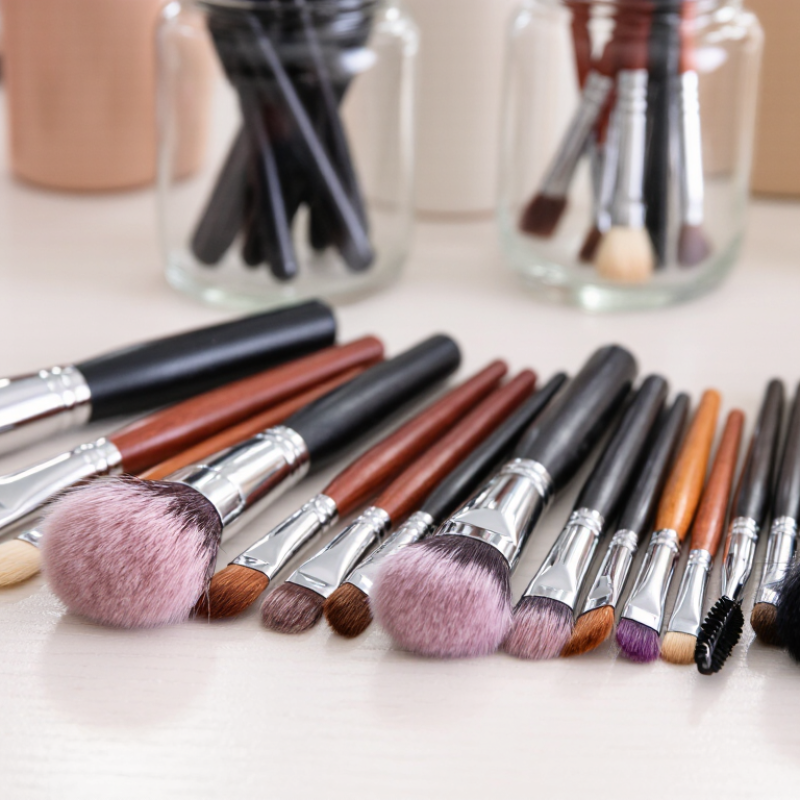
2026 Top Makeup Brushes How Often Should You Replace Them?

What Counts as Replacement: FDA Rules and ISO 22716 Hygiene Standards

In 2026, replacing makeup brushes is not controlled by one universal date. The U.S. Food and Drug Administration does not prescribe a replacement schedule for personal brushes. Its cosmetic framework focuses on product safety, adverse-event reporting, and responsible manufacturing. FDA guidance also does not treat a dirty household brush as automatically unsafe. That distinction matters.

ISO 22716:2007 covers cosmetic Good Manufacturing Practices, including hygiene, cleaning, storage, and contamination control. It mainly guides manufacturers, not home users. Still, its principles are practical. A brush with hardened foundation, a sour smell, shedding fibers, or a cracked handle has failed a basic hygiene check. Replace it. Cleaning is not always enough.

Circana reported an 8% increase in U.S. prestige beauty sales during 2023. More product use can mean more residue inside dense bristles. A 2024 professional beauty survey by a leading industry research group also found hygiene remained a major consumer concern, although survey methods differed. Treat such numbers carefully. They show pressure, not proof of infection risk.

For daily cream products, inspect brushes weekly and wash them after heavy use. Powder brushes may last longer with careful cleaning. Replace them when shape, odor, or surface condition changes. I would not trust a “12-month rule” blindly. It is convenient, but incomplete. Personal skin sensitivity, storage humidity, and cleaning habits can shorten that timeline.

How Often to Wash: AAD’s Every 7–10 Days Recommendation

Clean makeup brushes collect foundation, skin oil, dust, and dead cells during regular use. The American Academy of Dermatology recommends washing them every 7–10 days. This schedule matters even more for brushes used with liquid or cream products.

I wash mine in lukewarm water, keeping the handle and metal joint mostly dry. Then I add a small amount of gentle cleanser and work it through the bristles with my fingers. The water often turns cloudy, even when a brush looks clean. Rinse until the water runs clear. Almost done.

I reshape each brush and lay it flat on a clean towel, with the bristles extending beyond the edge. Drying it upright can send water into the handle and loosen the adhesive. I used to skip the weekly wash when my skin looked calm. That was not a reliable test. Irritation, clogged pores, or an unusual smell may appear later.

Washing does not mean a brush lasts forever. Replace one when its bristles shed heavily, feel scratchy, keep an odor, or lose their shape after cleaning. A cracked handle or loose metal joint also signals damage. Some brushes may last several years with careful use, while frequently used eye brushes may wear sooner. There is no universal replacement date. Inspect the tool honestly. A brush that looks soft but spreads product unevenly may already be past its useful life.

Useful-Life Signals: Shedding, Odor, Cracks, and Persistent Buildup

2026 Top Makeup Brushes: How Often Should You Replace Them?

A calendar alone cannot determine a brush’s useful life. Daily use, damp storage, and aggressive washing shorten it. The FDA advises discarding cosmetics when their smell, color, or texture changes. The same practical caution applies to brushes that touch the face.

Shedding is an early warning. Loose fibers can collect makeup and irritate sensitive skin. A persistent odor may signal trapped oils, moisture, or microbial growth. In a 2019 Journal of Applied Microbiology study, researchers found potentially harmful bacteria in 70% to 90% of used cosmetic products tested. The study also reported that 93% of beauty sponges had never been cleaned. Brushes deserve similar attention.

Cracks matter too. Splits in the handle or ferrule can hold water and residue. Persistent buildup remains concerning after careful washing. That brush may be past its useful life.

Do not ignore texture.

A brush that feels rough, sheds repeatedly, smells sour, or stays stained should be replaced, even if it looks usable. Wash reusable brushes regularly, dry them fully, and store them away from steamy bathrooms. Personal experience can mislead here: a brush may appear clean while retaining oil near its base. I would replace frequently used face brushes every six to twelve months, but sooner when these signals appear. This is a practical range, not a universal rule.

When Should Makeup Brushes Be Replaced?

These intervals are practical hygiene guidelines for regularly cleaned tools, not fixed expiration dates. Replace any brush earlier if it sheds heavily, develops a persistent odor, has cracked or loose parts, or retains visible product buildup after washing.

Care baseline: wash regularly, dry thoroughly, and store brushes in a clean, ventilated place. Frequent use, harsh cleaning, and damp storage can shorten service life.

Brush Type Comparison: Synthetic, Natural, Face, Eye, and Detail Tools

Makeup Brush Replacement Guide for 2026

Brush type matters more than a fixed calendar. Synthetic face brushes usually resist moisture and cream buildup better than natural hair. With weekly washing, replace them when bristles split, shed, or lose their shape. That often means every 12 to 18 months. Natural-hair brushes feel soft, but oils and pigment can weaken the fibers. They may need replacement sooner, especially when the tips become scratchy. My own schedule is imperfect. Heavy daily use shortens it.

Eye brushes deserve stricter attention. They touch thinner skin and collect pigment near the lash line. Replace them around every six to twelve months, or earlier after persistent odor, staining, or irritation. Detail tools, including lip and concealer brushes, can hold waxy residue between tightly packed fibers. Inspect them monthly. Small tools are easy to neglect.

A 2019 study in the Journal of Applied Microbiology examined 467 used cosmetic products. Researchers found bacterial contamination in roughly 70% to 90% of samples, while 93% of makeup sponges carried bacteria. The American Academy of Dermatology Association advises washing makeup brushes every seven to ten days. Cleaning does not make an old brush hygienic forever. If ferrules loosen, handles crack, or bristles stay damp overnight, replacement is more sensible. Synthetic fibers are not automatically safer; poor drying still creates problems. Clean, dry, and inspect them.

2026 Decision Chart: Replace by Condition, Risk, and Use Frequency

A 2026 replacement decision should follow condition, risk, and use frequency, not a fixed calendar date.

A well-maintained brush may last longer than a neglected one. Inspect the bristles under bright light. Replace it when hairs stay bent, feel scratchy, shed into makeup, or develop a persistent odor. A loose handle or cracked ferrule also signals failure.

Risk changes the timeline. Brushes used around the eyes or lips deserve stricter inspection because residue can remain near sensitive areas. Daily-use brushes often need replacement within six to twelve months, especially when they are washed frequently. Occasional-use brushes may last eighteen to twenty-four months if they dry completely after cleaning. Shared tools or brushes kept damp require faster action. Do not wait for visible mold.

Use matters most. I once kept a foundation brush because its handle still looked perfect. The bristles had become stiff and uneven, so application turned patchy. That habit was not sensible. Wash frequently used brushes about once a week, then dry them horizontally with the bristles extending beyond the edge. Never store them wet in a closed container. If a brush remains rough after careful washing, replacement is more reliable than trying to rescue it. A small inspection each month creates a practical record, although personal judgment can still be imperfect.

FAQS

Is there one universal date for replacing makeup brushes?

No. Replacement depends on use, cleaning, storage humidity, and brush condition. A calendar alone is incomplete.

How often should makeup brushes be washed?

Wash them every 7–10 days. Clean cream and liquid product brushes sooner after heavy use.

What is the safest way to wash a makeup brush?

Use lukewarm water and a gentle cleanser. Keep the handle and metal joint mostly dry.

How should makeup brushes be dried?

Reshape the bristles and lay the brush flat on a clean towel. Let the bristles extend beyond the edge.

Why should brushes not dry upright?

Water can move into the handle. The adhesive may loosen, causing shedding or a loose metal joint.

Which signs mean a brush should be replaced?

Replace it when it smells sour, feels scratchy, sheds repeatedly, or keeps hardened buildup after washing.

Can a cracked brush handle still be used?

It is better to replace it. Cracks and loose joints can trap water, oil, and residue.

How long can a makeup brush usually last?

Some brushes last several years with careful use. Frequently used face brushes may need replacement within six to twelve months.

Do powder brushes last longer than cream-product brushes?

Often, yes. Powder brushes may last longer with regular cleaning, but shape, odor, and surface condition matter more.

Does washing guarantee that a brush remains safe to use?

No. Cleaning helps, but it cannot repair damaged fibers, persistent odor, cracks, or uneven product application. I once trusted appearance too much.

Conclusion

Knowing how often should you replace makeup brushes depends on their condition, cleaning routine, material, and frequency of use. Washing brushes every 7–10 days helps reduce product buildup, oils, and microorganisms, while FDA guidance and ISO 22716 hygiene principles can serve as useful frameworks for safe handling and cleanliness. However, cleaning does not make a damaged brush suitable for continued use.

Replace a brush when it sheds excessively, develops a persistent odor, has cracked handles or ferrules, feels rough, or retains buildup after washing. Synthetic brushes may remain usable longer when well maintained, while natural-hair brushes can require earlier replacement if they become brittle or difficult to sanitize. Face brushes used frequently generally need closer monitoring than occasional detail tools, and eye brushes deserve extra caution because they contact sensitive areas. A practical 2026 decision chart should consider condition first, then hygiene risk and use frequency: replace sooner for daily use, shared use, active skin concerns, or any visible damage.

Sienna

Sienna

Sienna is a skilled marketing professional with a deep expertise in our company’s core products and services. With a passion for innovation and detail, she plays a pivotal role in crafting insightful blog posts that not only highlight the unique features of our offerings but also provide valuable......